Indian wedding favors run from a clay diya or a $1.19 kissing bell to a Banarasi silk dupatta with gold zari, so the guest count decides more than taste does.
A big guest list can only absorb a small favor per head, while a silk dupatta only works for a short list of mothers, aunts and close friends.
Pick the favor you can afford for everyone first, then add a pricier tier for the few.
1. Candle and Diya Favors
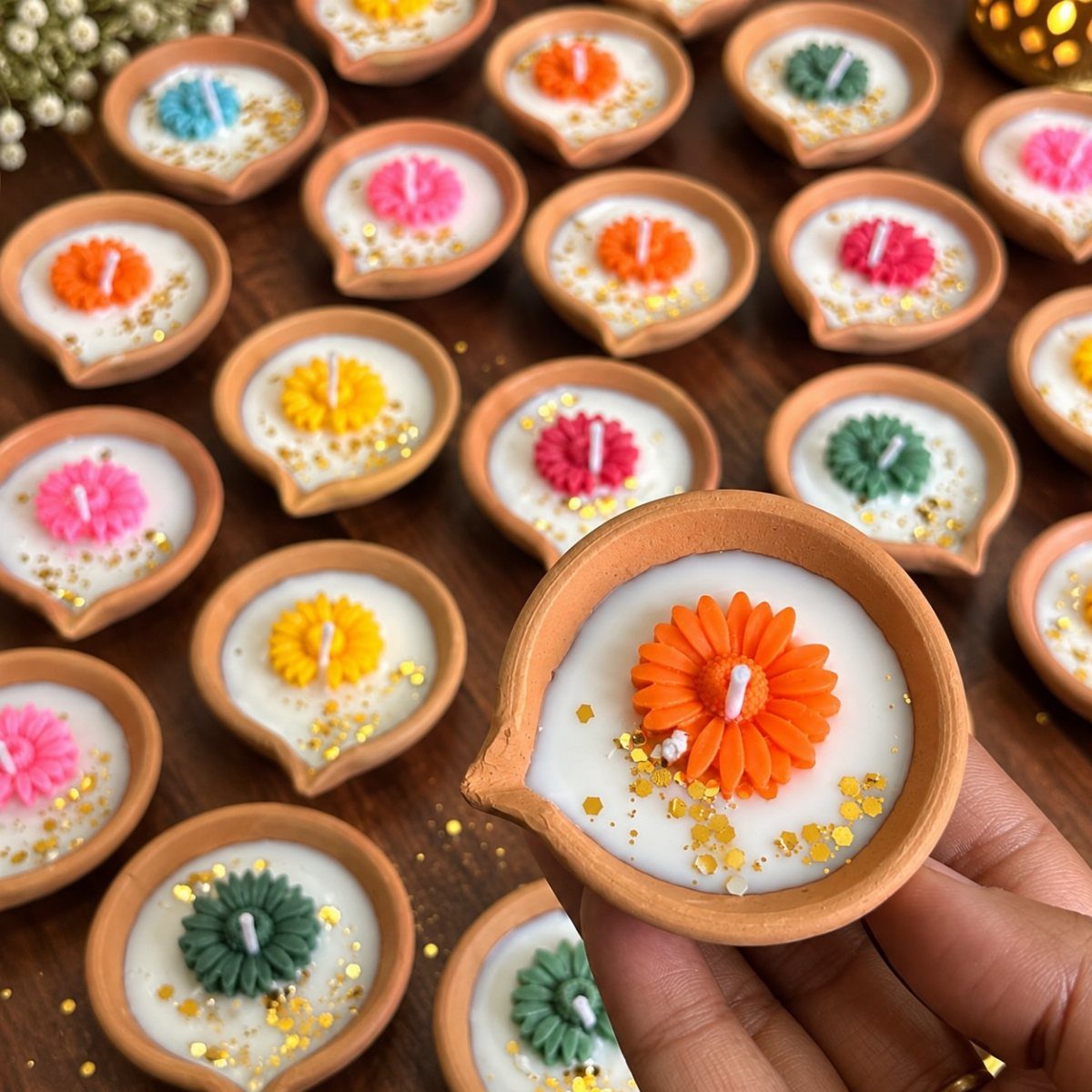
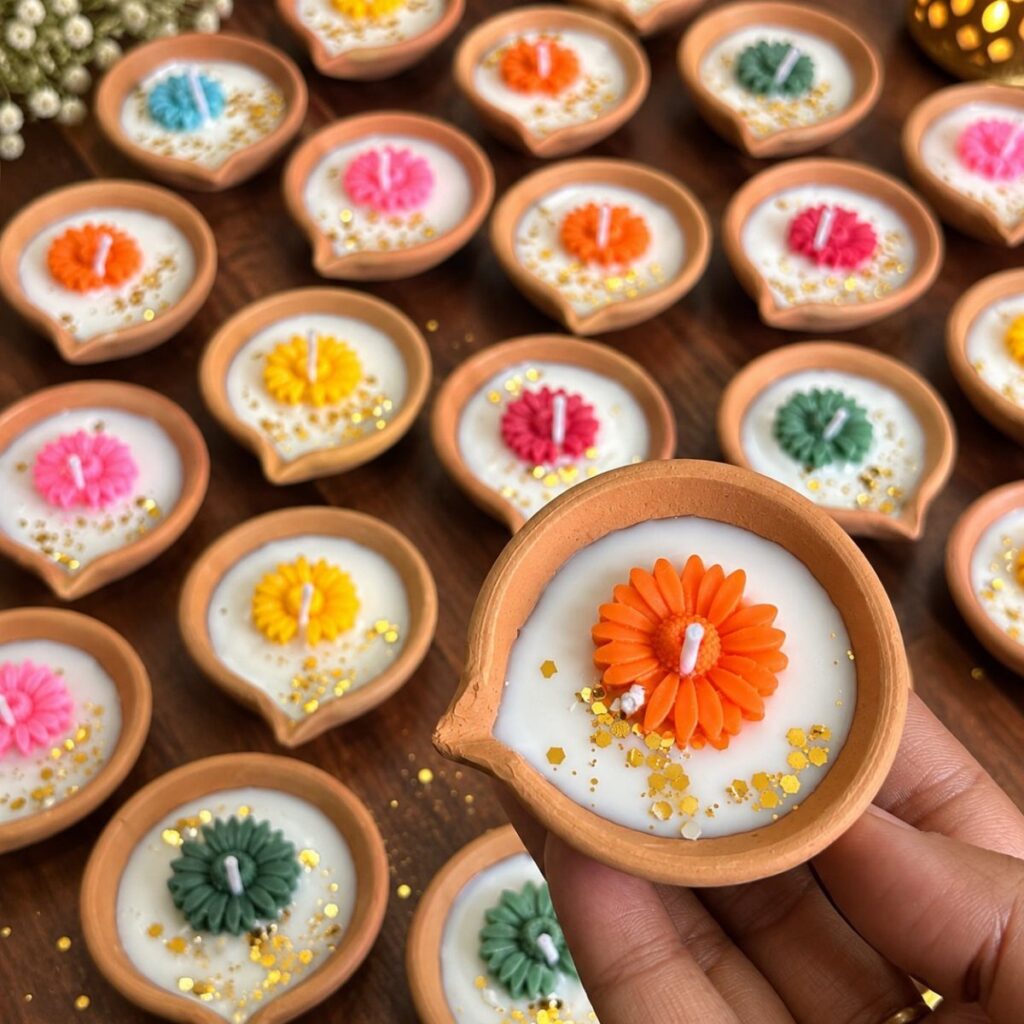
Diyas carry more meaning than most favors, since a lit lamp is part of Indian ceremony and celebration. Terracotta holders filled with wax make them safe to hand out and easy to pack.
Pick one color family for the flowers and glitter so the table looks planned. Clay is light, which matters when the guest list is large and the favor budget is not.
2. Decorated Mithai Boxes
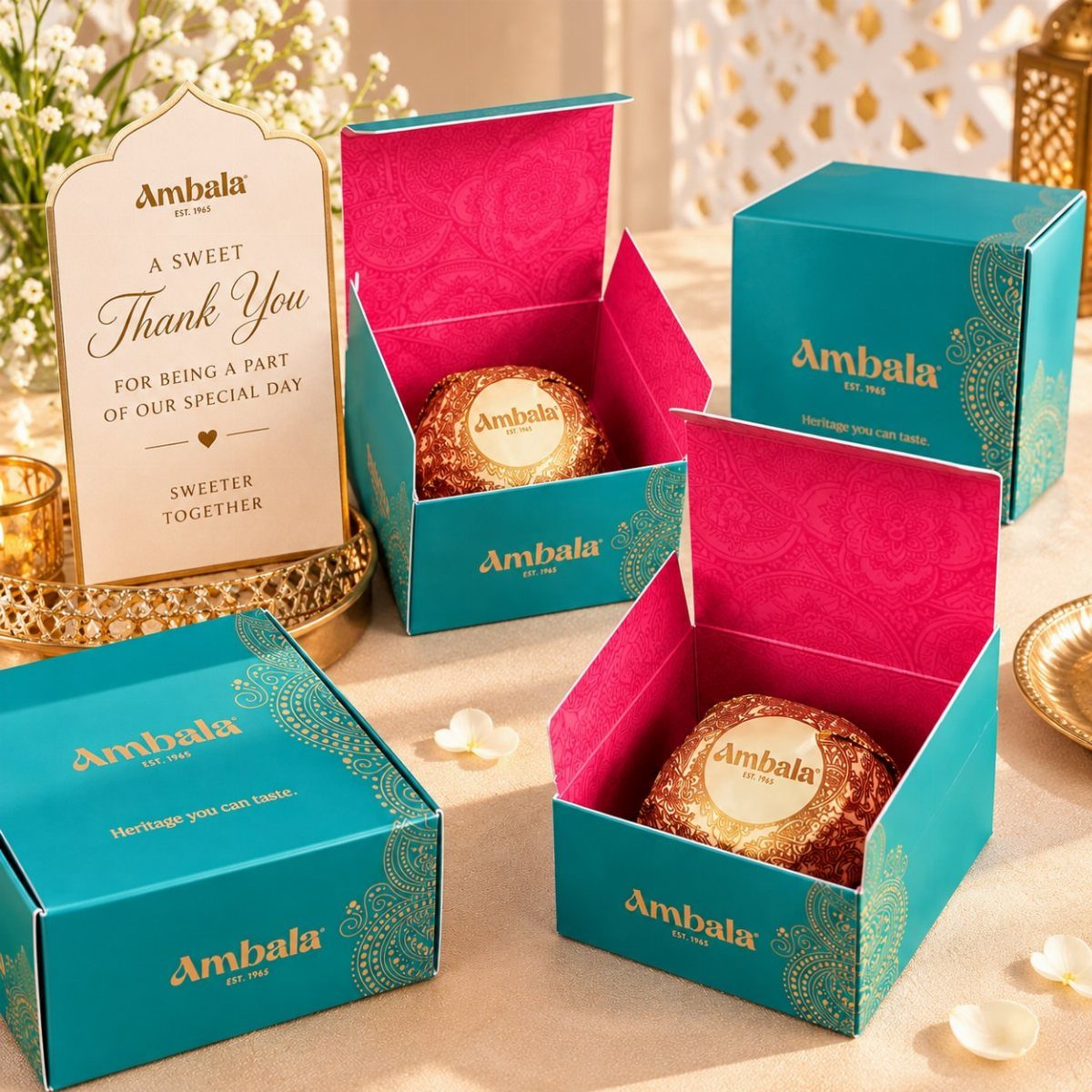
Sweets are the favor most guests will eat before they reach the car. Ladoo or barfi in a box is a gift with no learning curve, and no one has to find shelf space for it.
Dress the box instead of the sweet. A matching color pair, a gold-wrapped piece inside and a thank you card tucked in with a few white flowers make a plain box feel personal.
3. Monogrammed Playing Cards
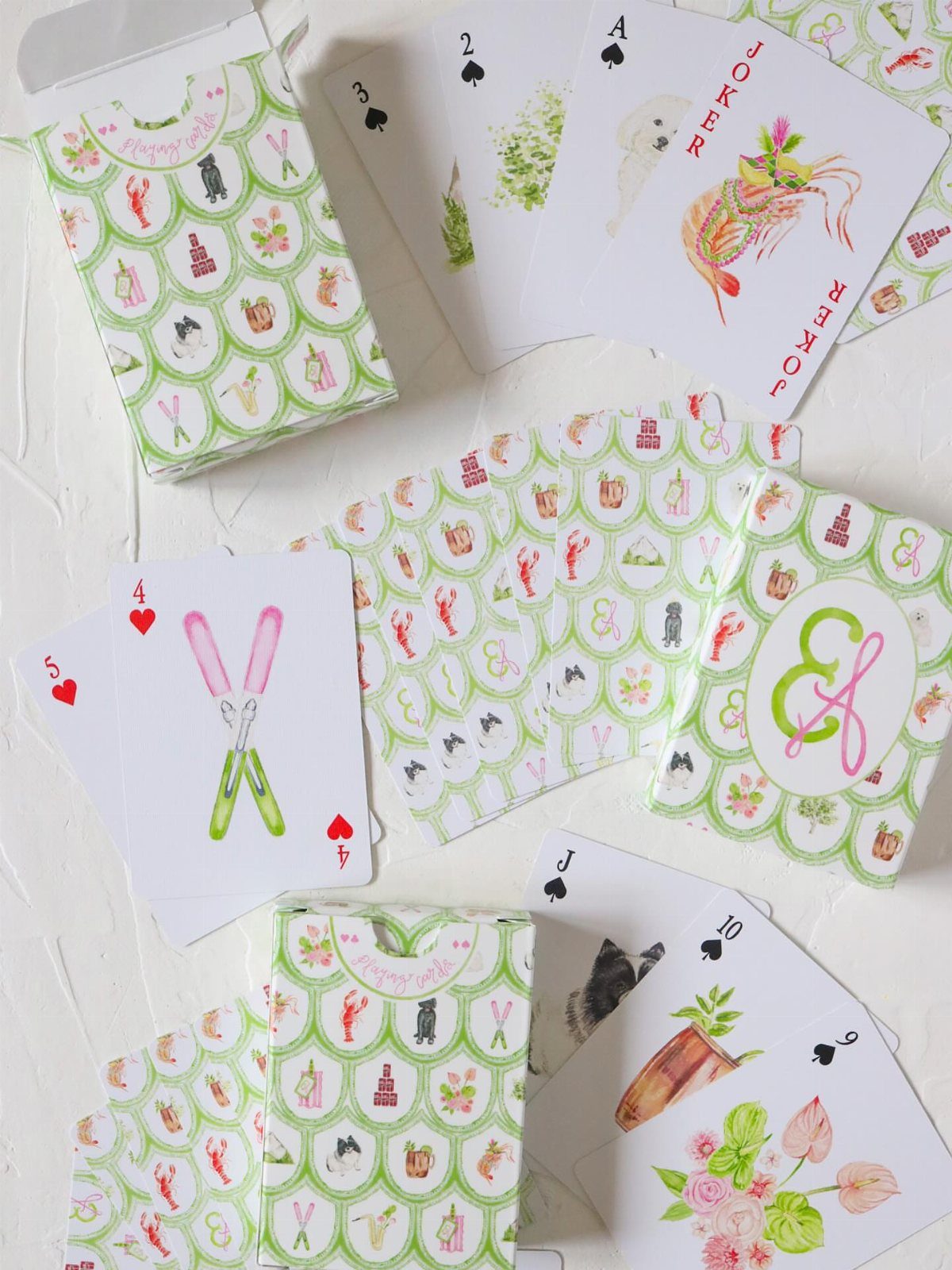
Cards with your monogram on the box say "stay and play" more than any trinket.
Printing a pink monogram against green patterns ties the deck to your wedding palette, and the illustrated faces keep it from looking like a casino set.
I would pick this for the relatives who linger after dinner. Nobody forgets a deck, and it gets used.
4. Handcrafted Jewelry
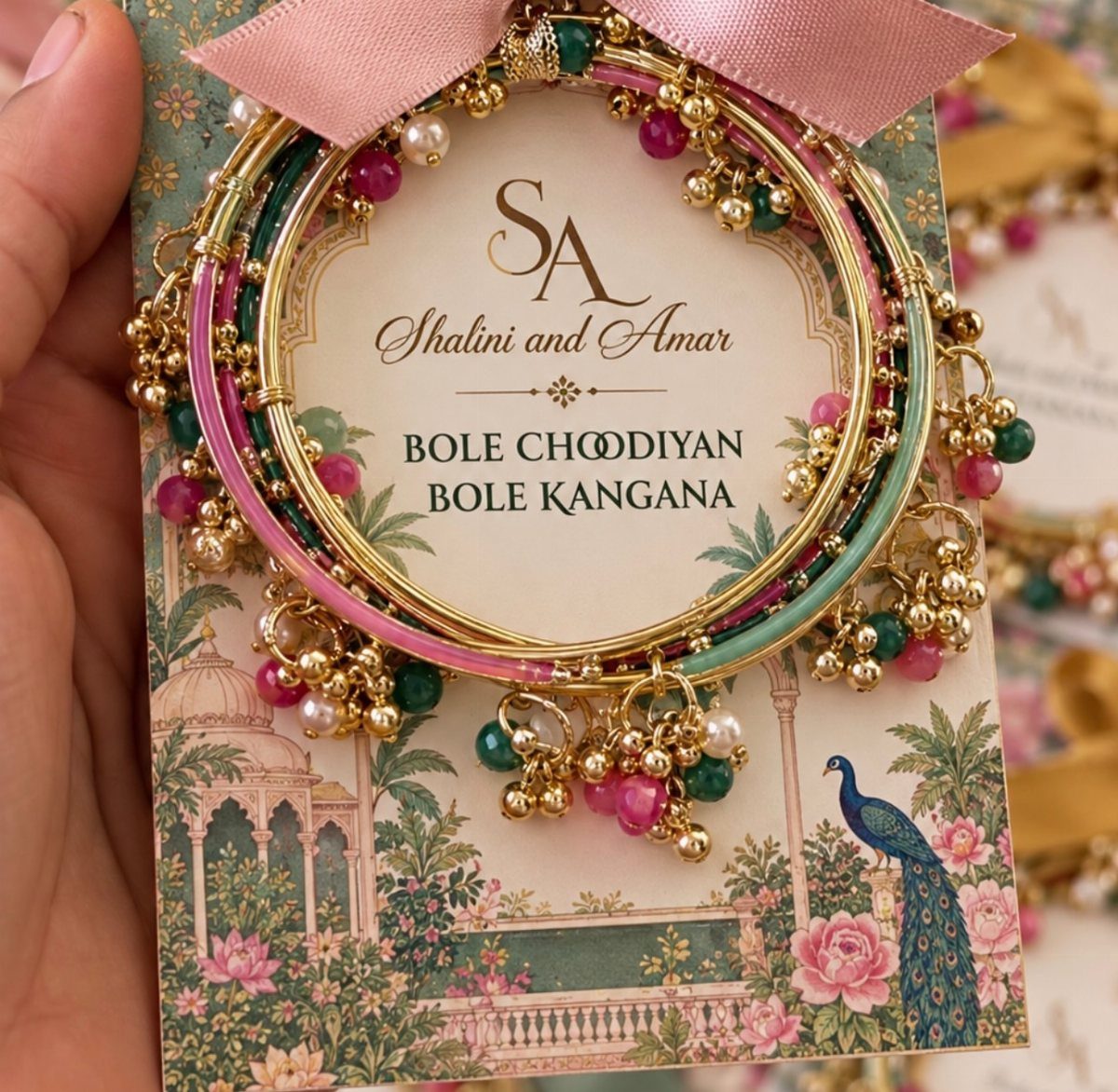
Bangles are a gift with a wedding already built in. Colorful beaded sets with pearls, tied with a pink bow to a card, turn a favor into something a guest can wear to the next function.
A line of song on the card adds charm for free. Ask the maker about sizing before ordering, since bangles that do not fit stay in a drawer.
5. Potli Bags
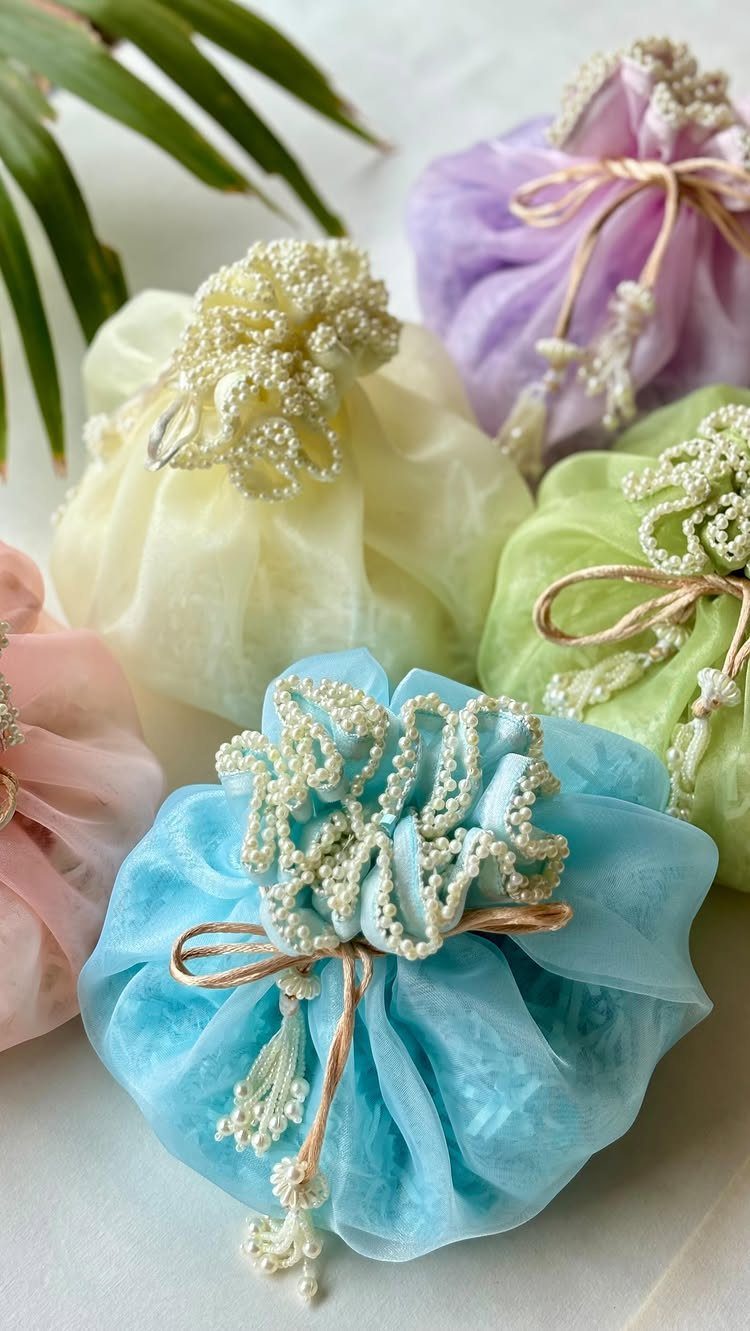
Small drawstring potlis in blue, pink, yellow, green and purple do double duty: they wrap the favor and become the favor. Pearl trim and gold ties make cheap fabric look festive.
Fill them with a few sweets or nuts, or leave them empty for guests to use. I like mixing colors at one table, so every guest finds a different bag.
6. Traditional Dupattas
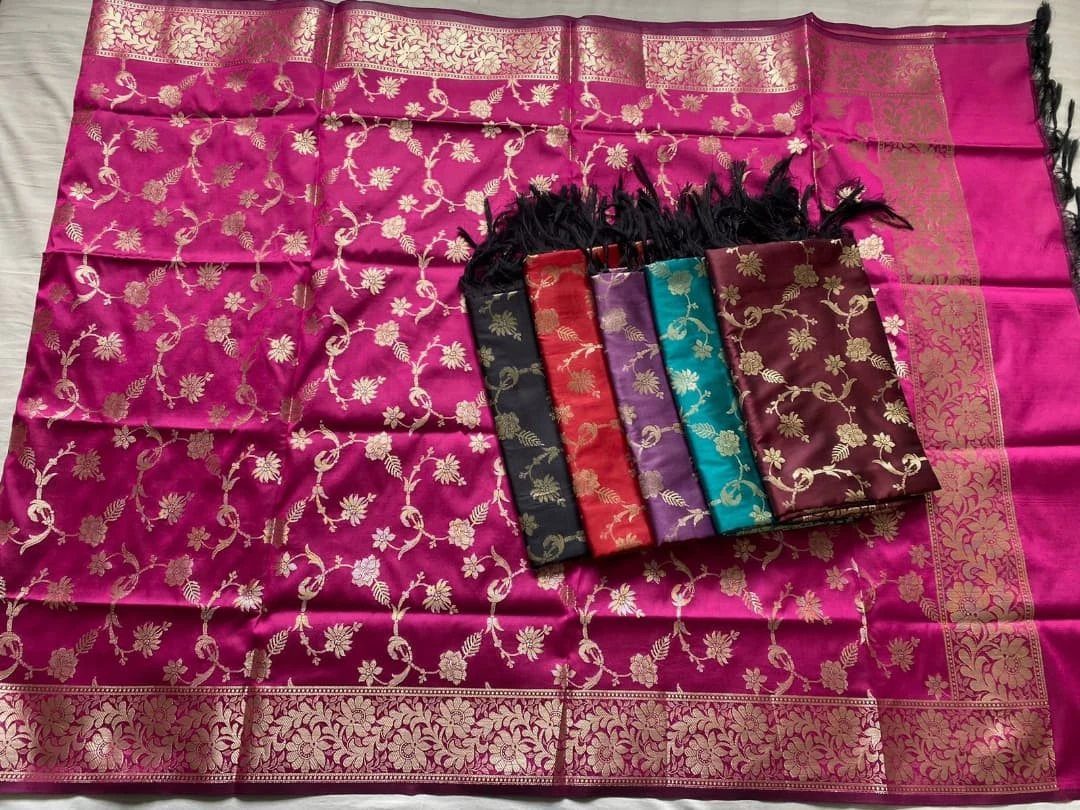
A Banarasi silk dupatta with gold zari is the splurge among Indian wedding favors, so give it to a short list: mothers, aunts, close friends. Women who get one will wear it again.
For everyone else, a smaller folded dupatta in black, red, purple, teal or maroon stretches the budget. Mixing the 2 tiers keeps the pricey pieces for the people who matter most.
7. Eco-Friendly Favors
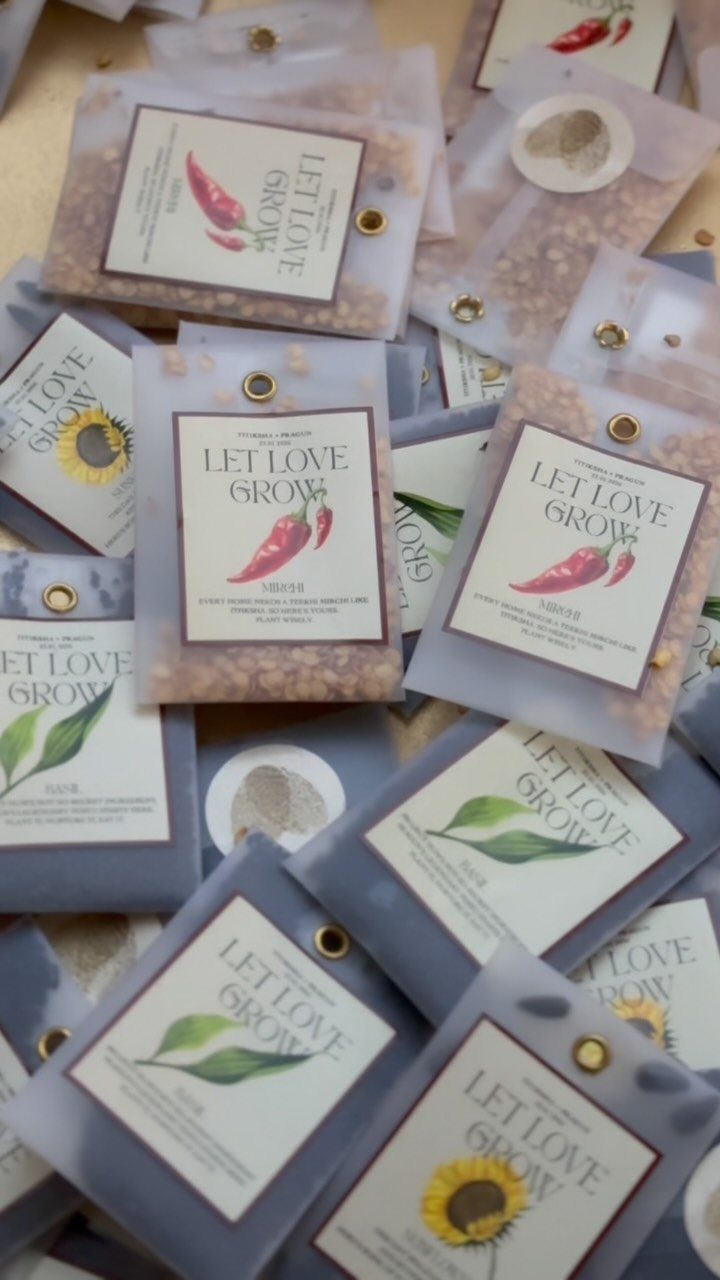
Seed packets last well past the reception: a pinch of chili, sunflower or basil seeds that guests can plant at home.
Labels reading "LET LOVE GROW" turn a pun into a wedding message, and "MIRCHI" adds a nod that suits an Indian celebration.
Pick herbs and chilies over flowers if you want guests to use what grows. I would put one packet at each place setting, or a few varieties in a basket by the exit so people choose their own.
Check the planting season for your guests’ regions before ordering, since a seed that sits in a drawer helps no one.
8. Designer Supari
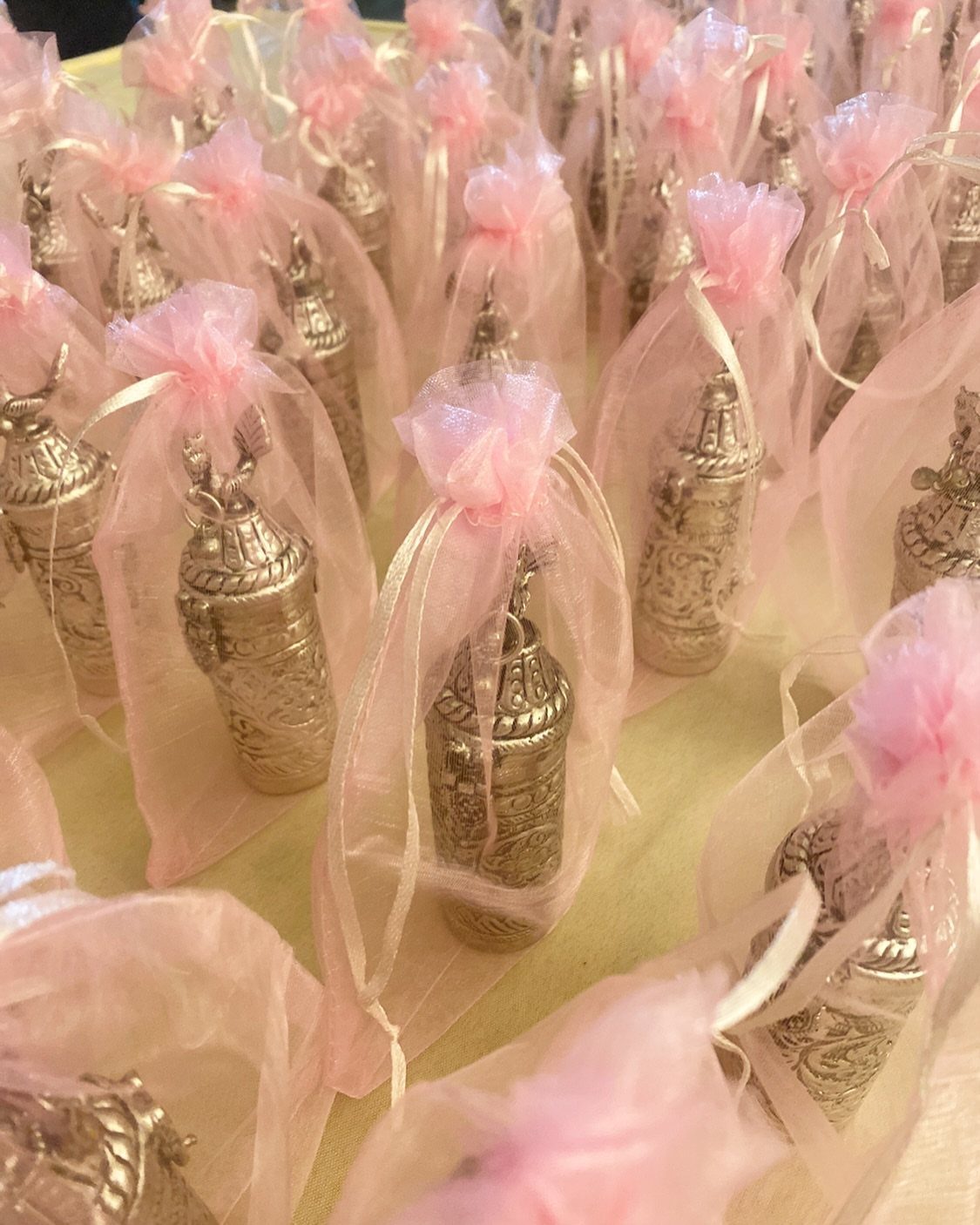
Supari is the after-meal mouth freshener many Indian guests already expect, so packaging it well turns a familiar habit into a favor.
I would choose metal containers over paper pouches because guests can reuse them for mints, jewelry or spare change. Fill every one identically, and ask the vendor about the filling before ordering for a big guest list.
Hand them out at the exit, where they fit the moment.
Importance of Personalization
Initials, a short phrase or a wedding date is enough to turn a favor into a keepsake. Guests keep what looks made for them and toss what looks bought in bulk.
Monogrammed potli bags, initialed favor boxes and thank-you tags printed with the wedding date are the simplest places to start. A tag costs little and works on top of almost any favor.
Match the favor to your colors, invitation design and décor so it reads as part of the celebration.
If you host more than one event, such as a mehndi, sangeet or engagement, give each function its own favor or its own tag wording. Guests who attend all of them then get something different each time.
Budget Considerations
Plan on $2 to $5 per guest for favors. Fix that number before you shop, because the guest count multiplies every small price.
Cheap does not mean forgettable.
Pricing for mini kissing bells begins around $1.19 apiece, while custom koozies run from about $1.99 apiece. Both stay under $2.50 per guest, and you can print your names and date on them.
Pairing works better than splurging. For the same budget, I would pair a sweet with a small keepsake in nice packaging over buying one pricey item, since the pairing feels more considered and makes a bigger impression.
Spend on packaging first, since it is what guests see first. Then trim the item inside if the total runs over.