These 6 answers range from a single line on the dress code to a password-locked site that holds your venue address, schedule and RSVP form.
Most of these answers take a sentence or two, and the one that asks for real thought is the privacy option, since you have to pick a builder that lets you lock the site with a password.
1. Dress Code Attire
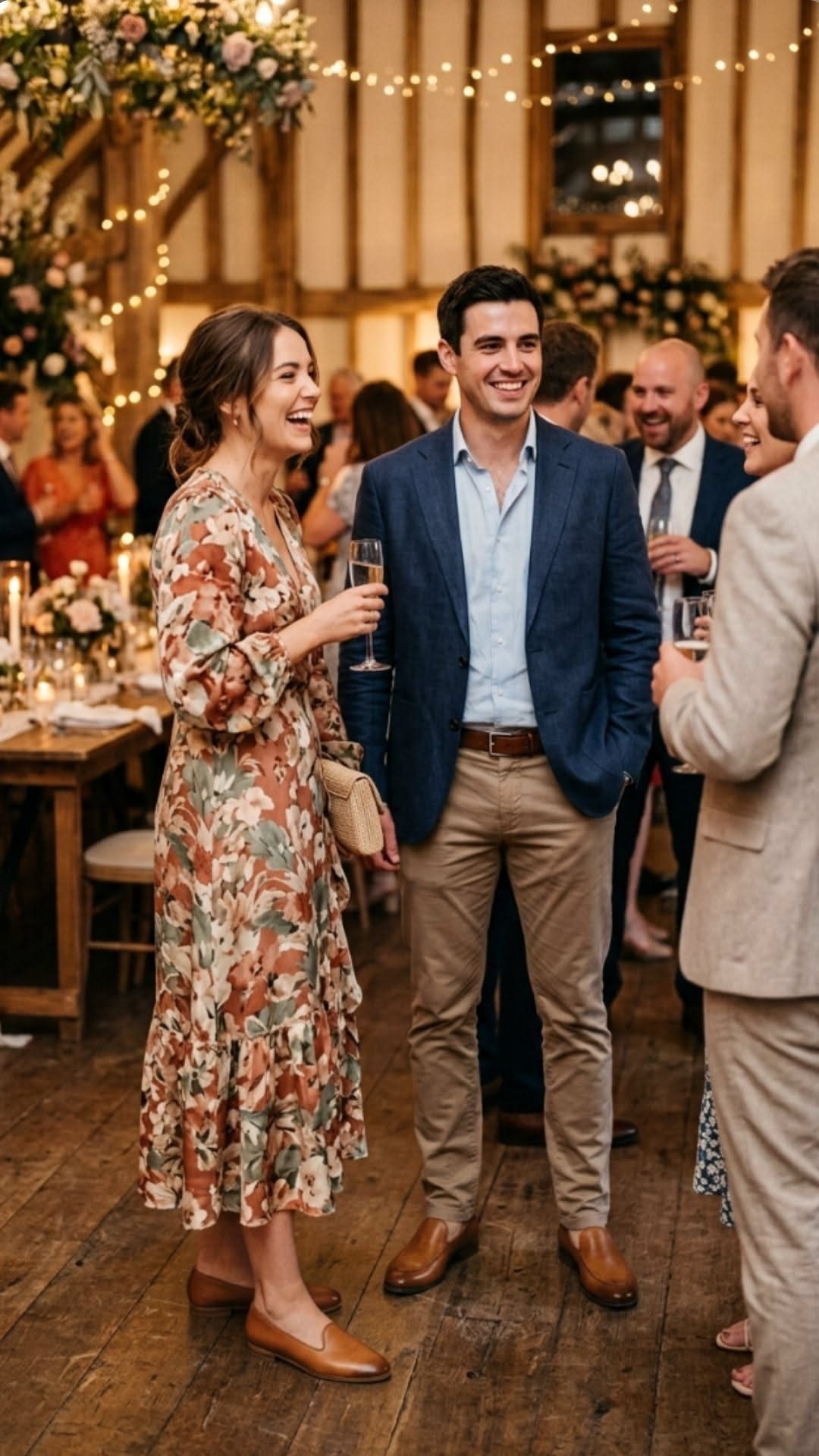
Guests read a dress code line and then still text the group chat, so put it where they will see it: one plain phrase on the website, such as "semi-formal" or "garden party," with a short example beside it.
A blazer and khakis, or a floral dress, tells a guest more than the word "cocktail" ever will. Add a note if the venue is a barn, since shoes matter on uneven floors.
Mention it once on the invitation and again on the FAQ.
2. RSVP Page
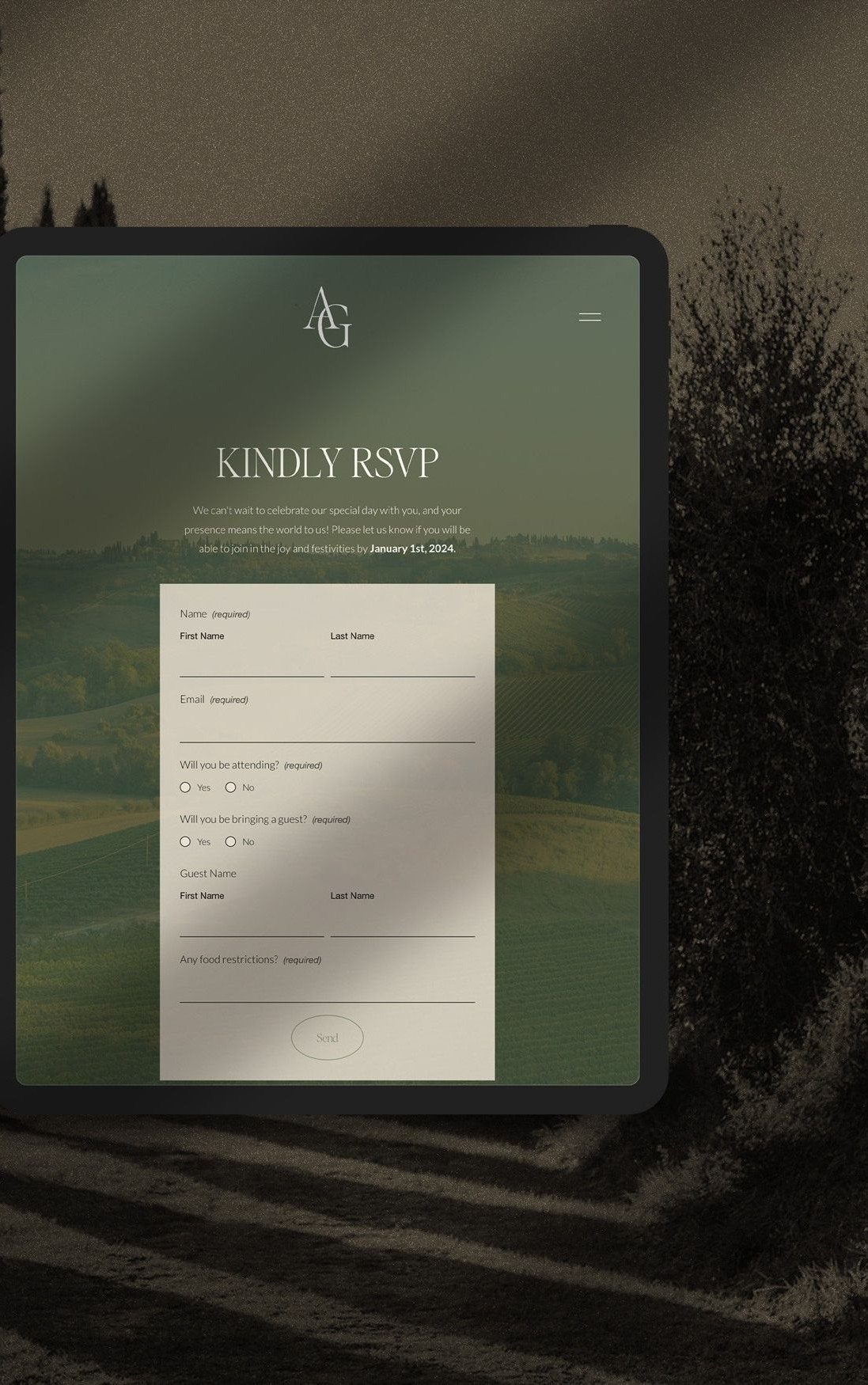
Kindly tell guests exactly how to respond, and by when. A form with name, email, attendance, guest and food restrictions covers nearly everything you need for a headcount.
Put the deadline right above the button, in a full date such as "May 15." I would also state who the invitation covers, so nobody adds a plus-one by accident.
Test the page on your phone before you send the link, because most guests will answer from one.
3. Will There Be an Open Bar?
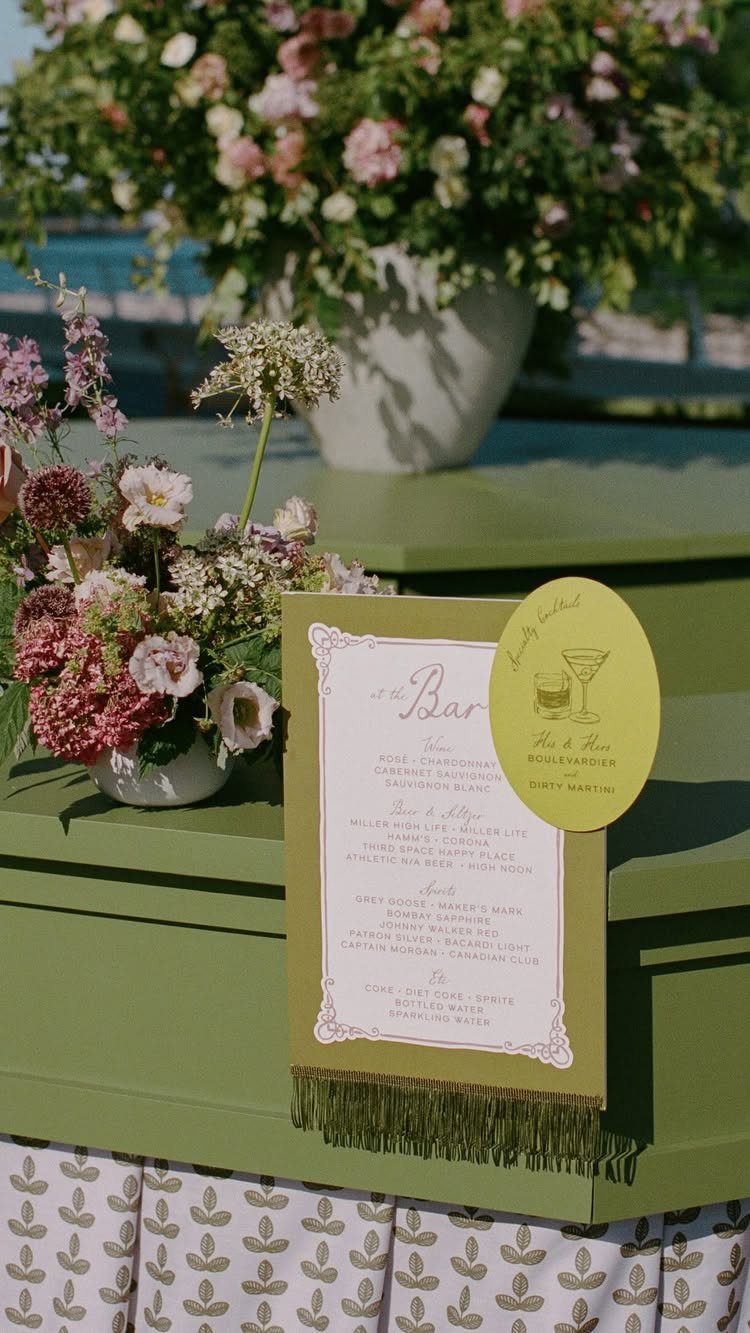
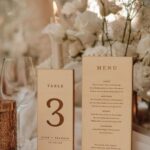
A bar menu answers the question before anyone asks it. Listing wine, beer and seltzers, and spirits tells guests what to expect, and a line on the FAQ can say plainly whether the bar is open all night or limited.
If you are keeping costs down, a short list of two wines, one beer and one seltzer is easier to stock than a full bar. Say so without apology.
Repeat the same wording on a printed sign at the bar.
4. Wedding Registry
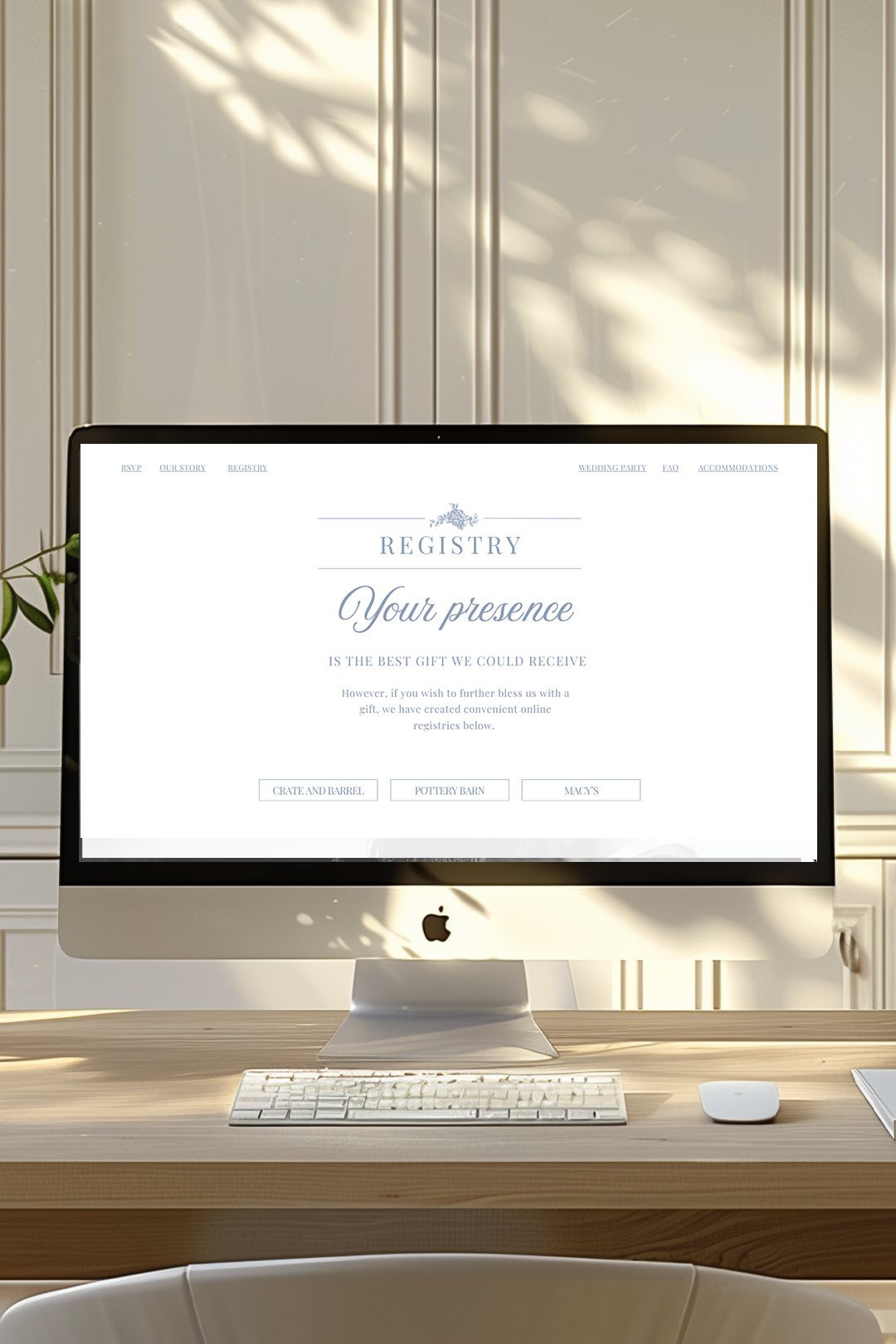
Registry links belong on their own page, with one clear button per store. Crate and Barrel, Pottery Barn and Macy’s are easy to list, and guests tend to want the shortest path to your actual list.
Keep the wording light, since the invitation itself should not ask for gifts. A single sentence is enough, and I like a line saying gifts are never expected.
If you want cash toward a bigger goal, add that link beneath the stores, not above.
5. Cocktail Hour
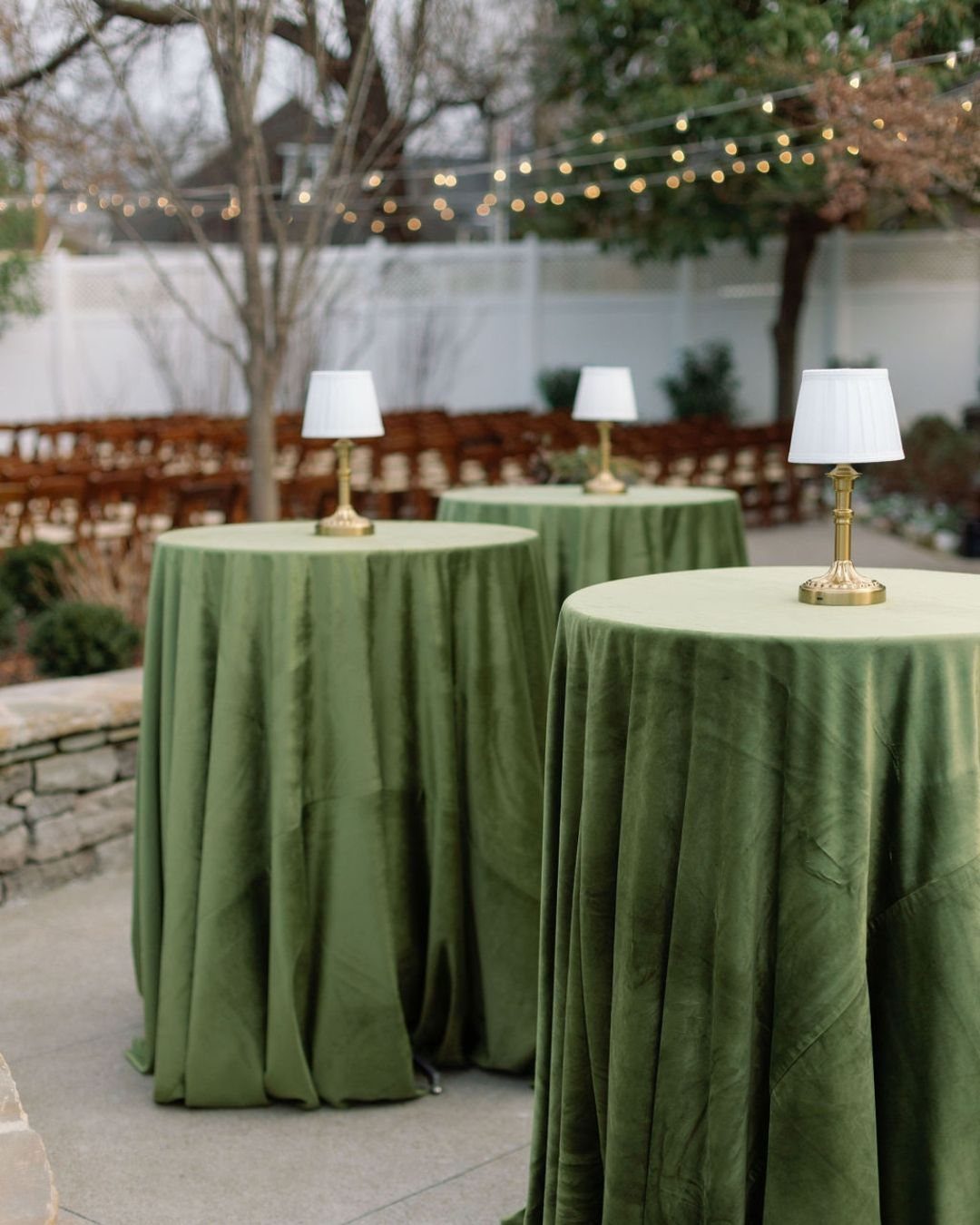
Guests will wonder what happens between the ceremony and dinner, so give cocktail hour a short FAQ answer: where it is, roughly how long, and whether food and drinks are served.
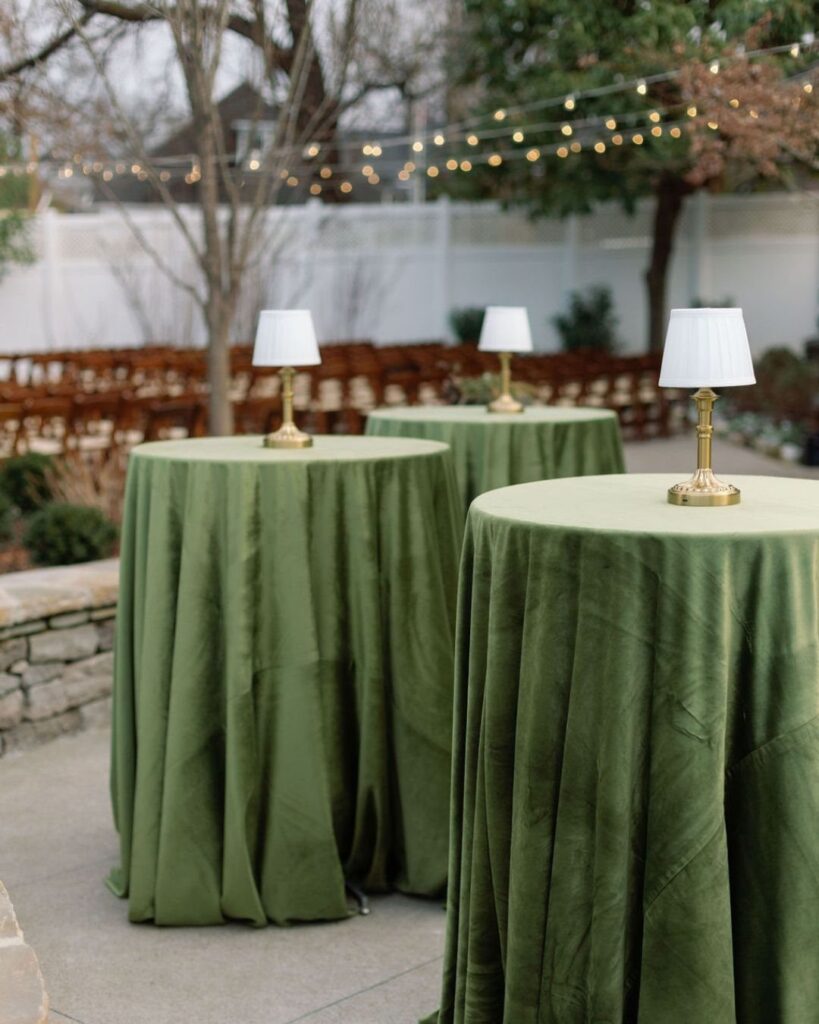
High-top tables give guests somewhere to set a glass while they mingle, and a small lamp or candle on each one makes the spot feel finished. Add a few chairs nearby for older guests.
Mention that the ceremony and cocktail hour share a location if they do, so no one drives off.
6. Outdoors Ceremony
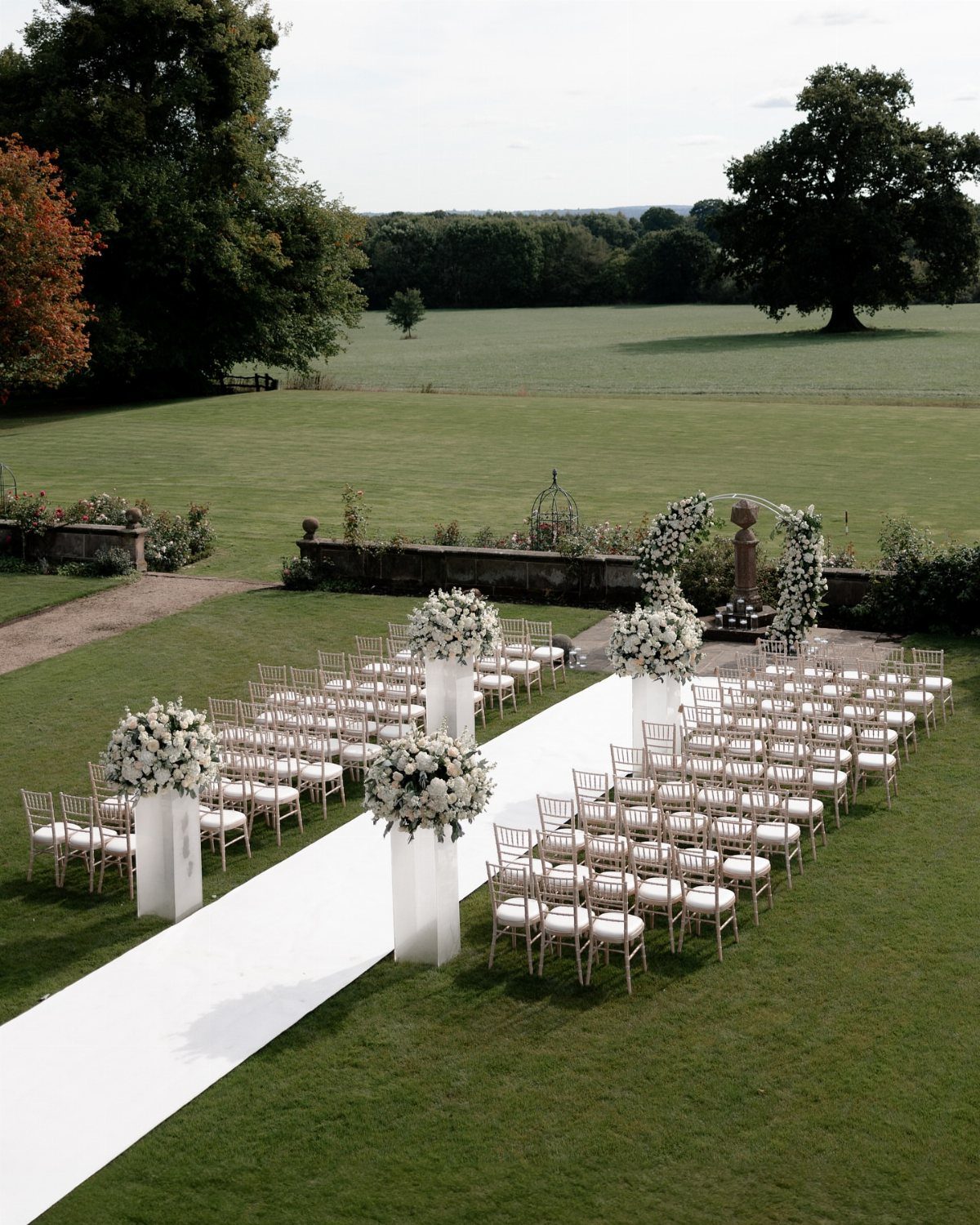
An outdoor ceremony raises practical questions, so answer them on the site: where to park, how far the walk is, and what the surface is like. A lawn means heels sink, and guests will thank you for the warning.
State your backup plan plainly, even if it is just "we will move indoors," and say when guests will hear about it. Suggest sunscreen or a hat for daytime vows.
Importance of a Wedding Website
A wedding website is optional, but it pays for itself fast. Every detail lives in one place, so guests plan their trip and outfit without waiting on you.
It also cuts the repeat questions. Each time you answer the same text for the fifth time, that is an answer the site could have given.
Large guest lists and destination weddings gain the most.
A traditional insert card fills up fast, and the notes behind this idea say the better move is to point guests to your wedding website, where all their questions get answered in one place.
So I would put the web address on the invitation and leave the card for the basics.
Once the site is live, treat the FAQ page as the thing you update whenever a guest asks something new.
The primary purpose of a wedding website is to easily share information with your guests, but there are plenty of ways to have fun with it as well!
Privacy Options for Wedding Websites
Many platforms let you lock the site behind a password or unique code, so only invited guests can get in. Check for this before you choose a builder, because not every platform offers it.
A password matters more than it seems, since the site holds your venue address, schedule and RSVP form. Choose something easy to type on a phone and print it on the invitation or save the date.
Ask where RSVP answers are stored, too. Responses should sit securely in a database you can reach, not in a loose inbox.
Personalization of Wedding Websites
Personal touches are what make a guest open the site twice. Your love story, bridal party introductions and engagement photos are the easy places to start.
Beyond that, you can customize colors, fonts and design details, upload digital artwork or illustrations, and link a favorite playlist so guests can add songs to their own listening.
Match the site’s colors and fonts to your paper suite, and it will look like part of the same set.
Not every question belongs on your FAQ, either.
Skip any that do not apply to your day, and add your own for anything guests need to know, such as a request or a preference. Edit sample answers freely so they sound like you.
Frequently Asked Questions
What is a wedding website?
A wedding website is an online hub where guests find every detail of your day in one place: date, venue, schedule, dress code, registry links and an RSVP form.
A site that answers the basics means guests can book flights and pick outfits on their own schedule, and your phone stays quieter.
When should I create my wedding website?
Start a couple of months before invitations go out, since the web address belongs on the invitation. Finishing it before the mail date means guests see a complete site the first time they visit.
Is my wedding website private?
It can be, but that depends on the platform, so check for password or unique code protection before you choose a builder.
Because the page lists where you will be and when, plus a form guests fill out, I would put a password on it.
Choose a password short enough to type on a phone screen, and find out where the RSVP responses are kept, since you want to be able to export them yourself.
How do I share my wedding website with guests?
Print the web address on your invitation, along with the password if the site has one.
The invitation is where every guest will look, so it can carry the basics while the site holds the rest. Putting the link on the save the date works too.
What questions should go on a wedding website FAQ page?
Cover what guests keep asking: dress code, RSVP deadline, whether the bar is open, what happens at cocktail hour, and parking, walking distance and backup plans for an outdoor ceremony.
Cut any question that has no bearing on your wedding, and write in the ones your own guests are likely to ask.
Rework any template answer until it sounds like you talking, and revisit the page each time a new question comes in.