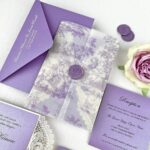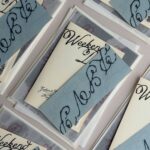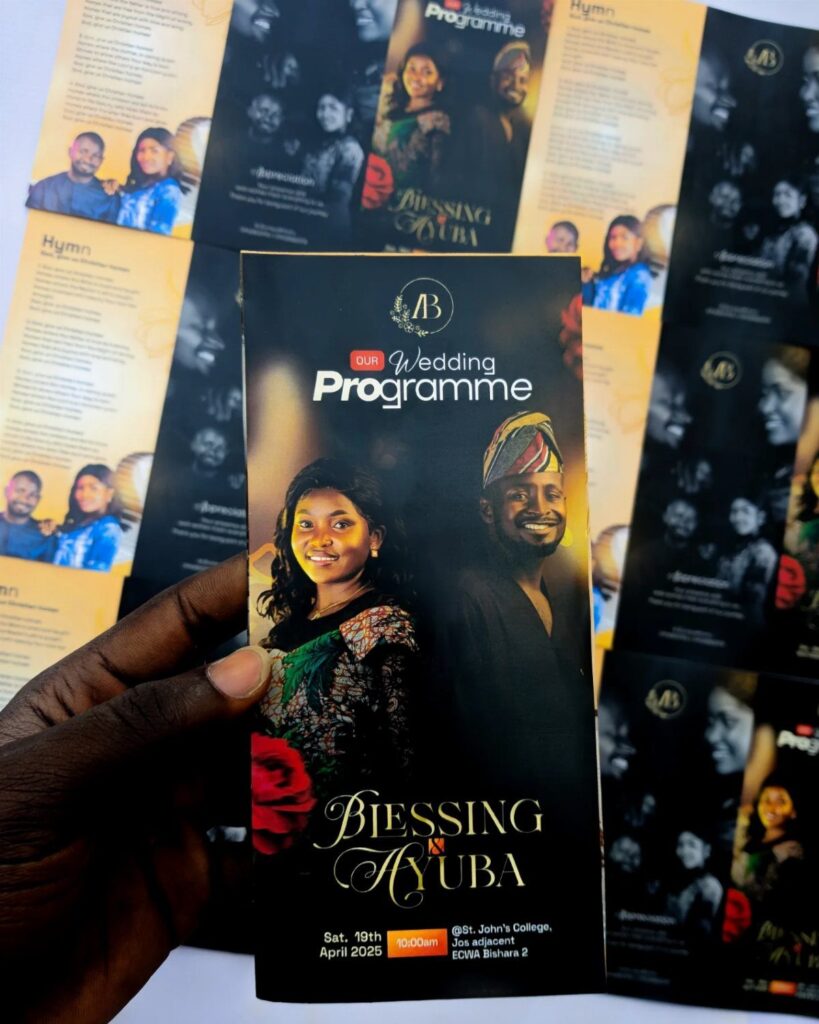
A program can be a single sheet of paper with the ceremony laid out in a short list, a foil-pressed piece, a passport booklet, or a newspaper with its own masthead.
Length of the ceremony and amount of content decide it: a short ceremony with a plain order of events needs one sheet, while a long guest list that wants fans in the heat, a printed memory section, or a thank you note earns more pages and more assembly time.
Folding, trimming and tying 100 programs by hand eats more evenings than most couples plan for, so the days left before the deadline matter as much as the dollars.
1. Order of Ceremony
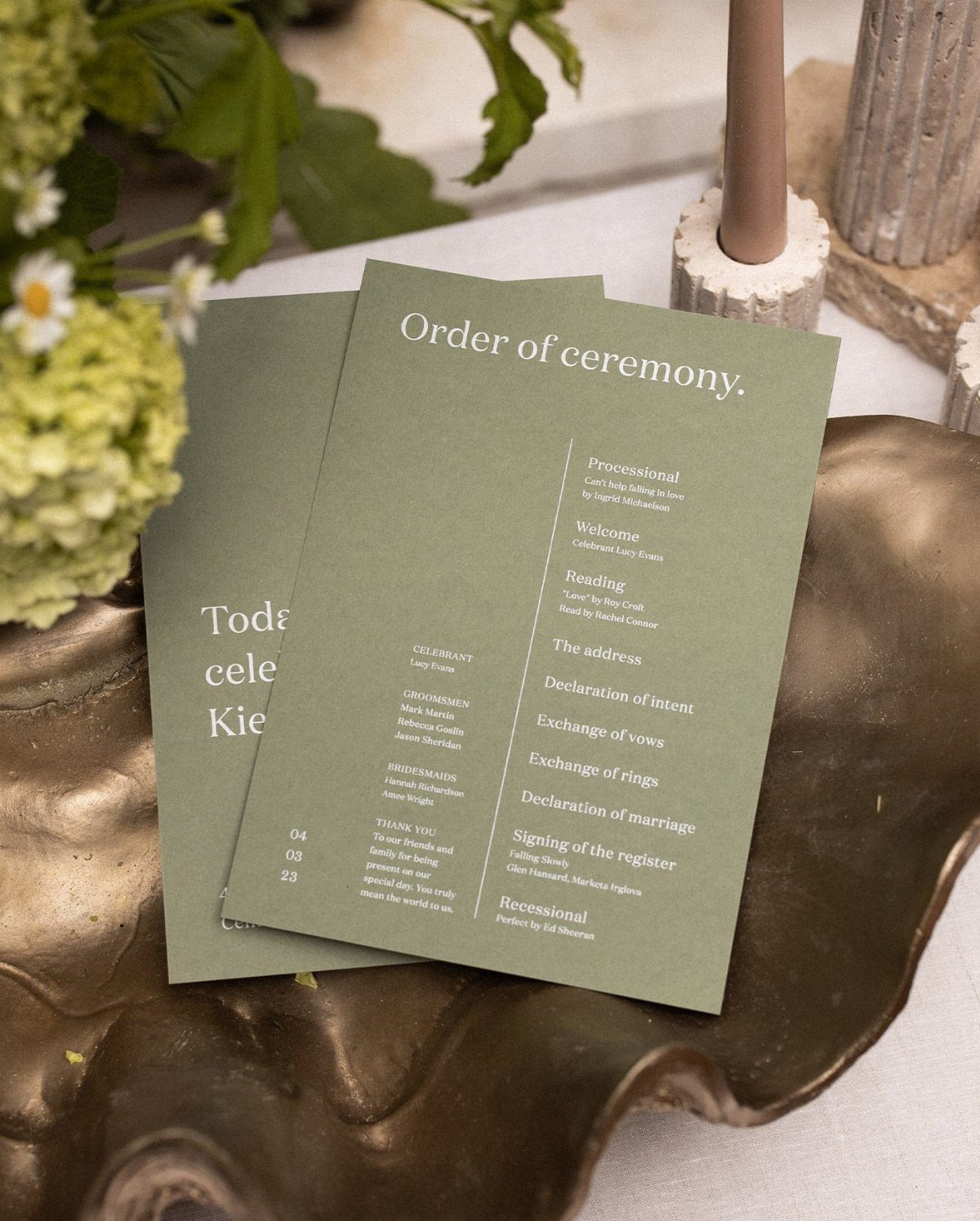
A single sheet that lists the ceremony in order is the plainest program there is, and often the best one.
Sage green paper with the events stacked in a short list reads in seconds, which is all guests want while they wait for the processional.
Keep the list to the moments people need to follow. The wedding party names can go on their own small card, tucked in alongside the order of ceremony.
2. Reception Information
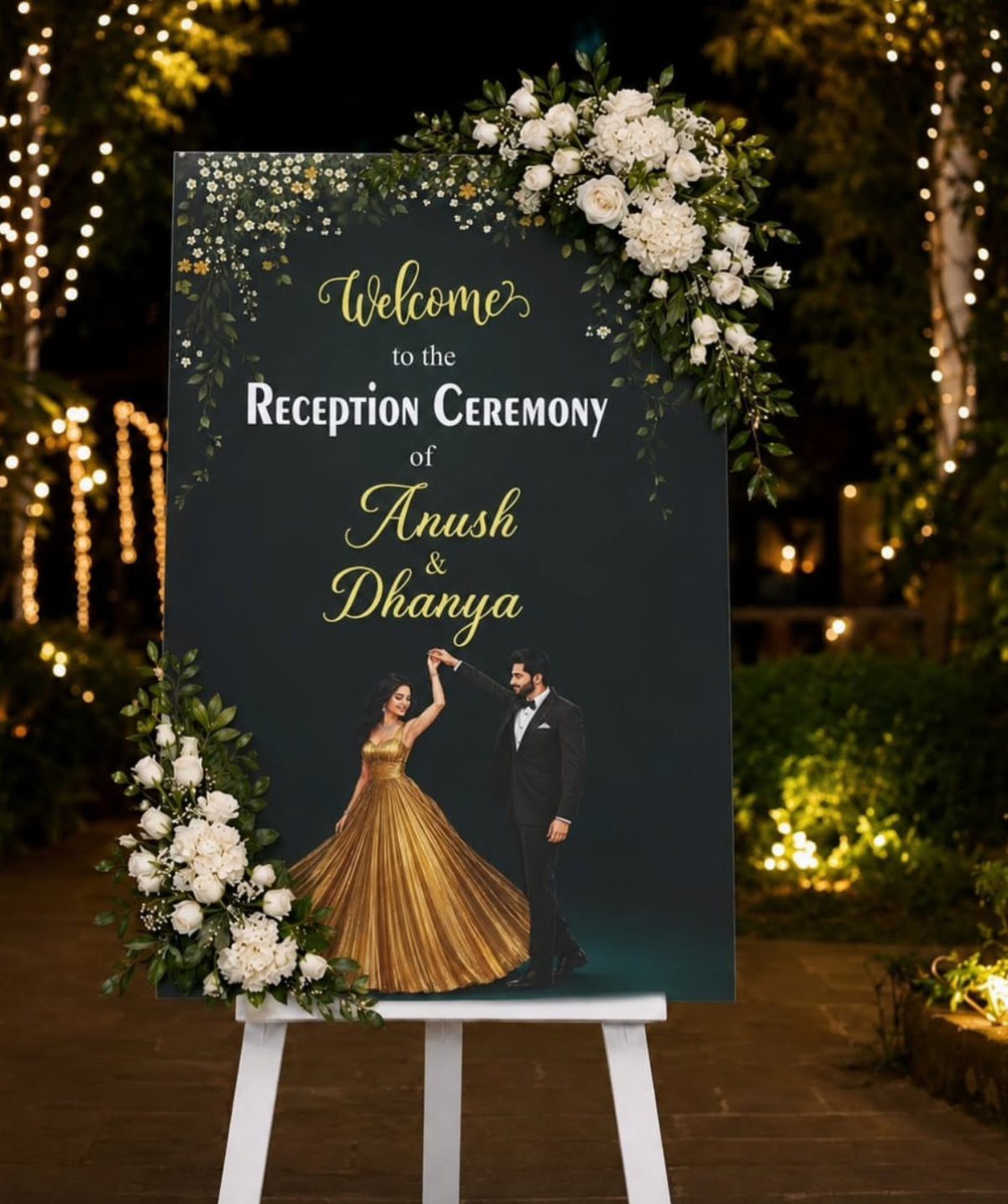
Guests who stay for the reception want to know where to go next, so give that its own spot instead of crowding the ceremony page.
A welcome sign at the entrance does the job: names, a photo of the two of you, and the word "reception" so nobody wonders.
If you would rather put it in print, a short line on the back of the program works too. Cover the location and the sequence of the evening, and skip anything guests will learn by walking in.
3. In Memory Section
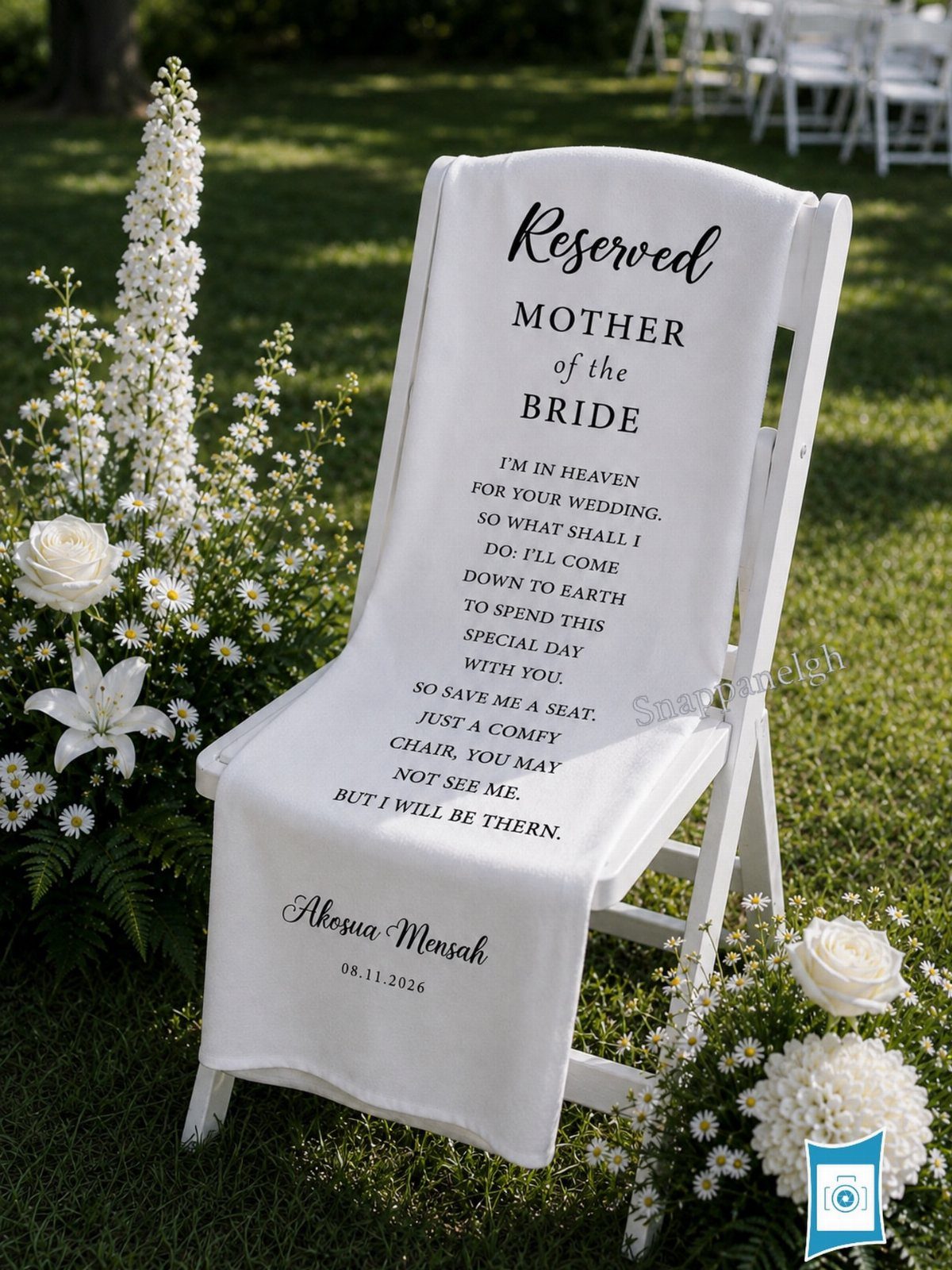
A reserved chair says what a paragraph in the program often cannot. A white cloth draped over the seat, with "Reserved" and the person’s name and a short poem, honors a mother without a word spoken.
I like pairing it with a single line in the program that repeats the name. Guests who miss the chair still see it, and the white flowers around the seat keep the tone quiet.
4. Thank You Section
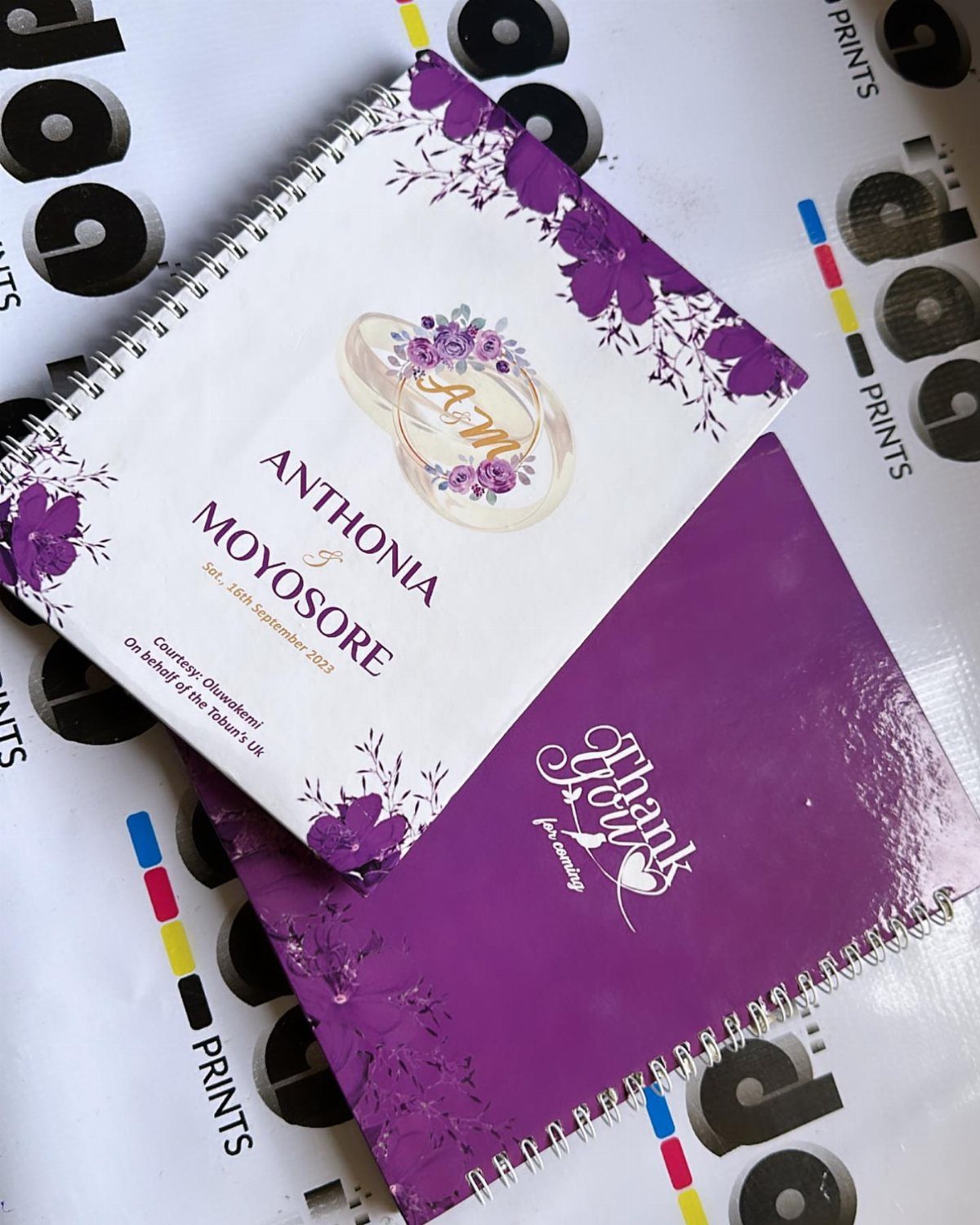
Closing the program with thanks costs almost nothing and guests remember it. Printing "Thank You for coming" on the back cover, as on the purple spiral-bound copy here, means the message is the last thing they read.
Keep it to a sentence or two in your own voice. A spiral binding suits a program with several pages, but for a one-page program, a short note at the bottom of the sheet does the same work.
5. Fan Programs
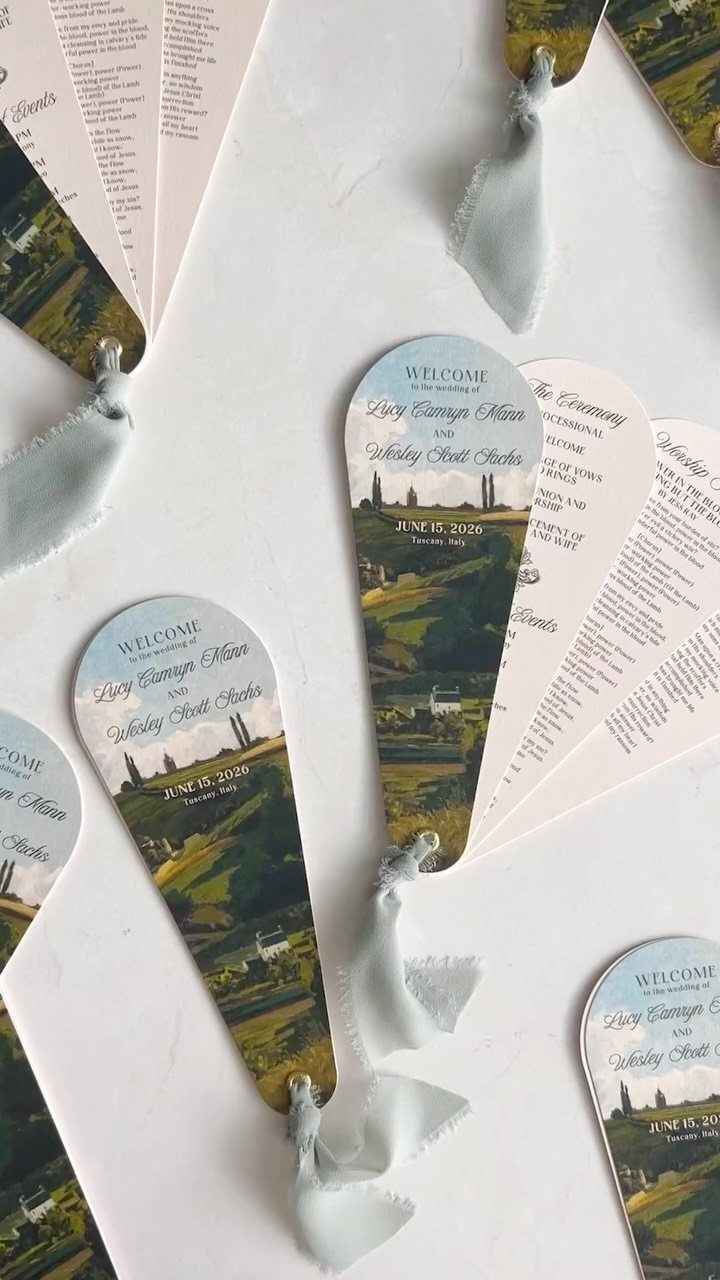
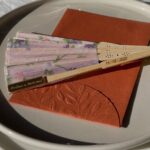
Fans earn their place at outdoor ceremonies, where guests will wave something at the heat anyway.
Put names, date and place on the front, as this Tuscany set does, and the ceremony order on the back. Order a few extra in case some leave with guests.
6. Foil Pressed Programs
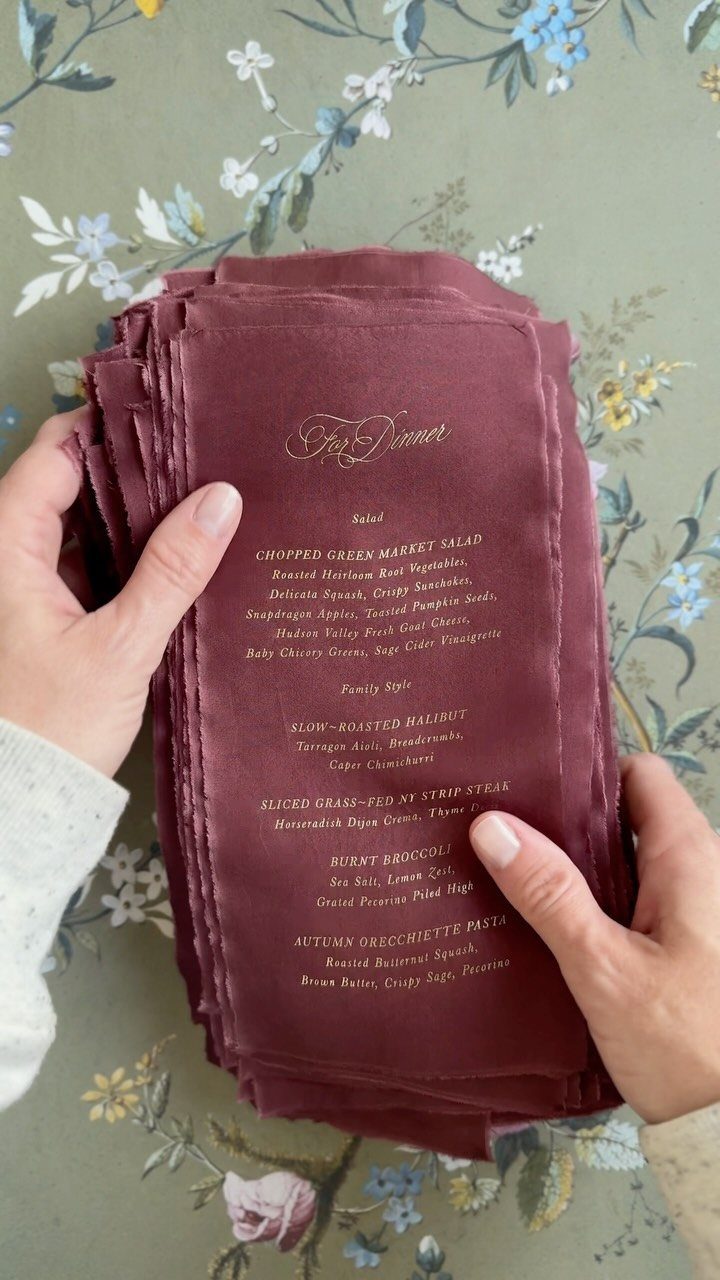
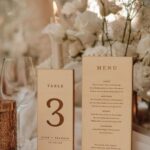
Gold foil on burgundy is the version I would pick when one dark, rich color and a little shine is the whole look. Foil catches light on a table, so even a short line like "For Dinner" reads as formal.
It costs more than flat printing, so spend it where guests look longest. A deckled edge adds softness, and the same treatment works on a ceremony program as well as a menu.
7. Passport Style Program Booklet
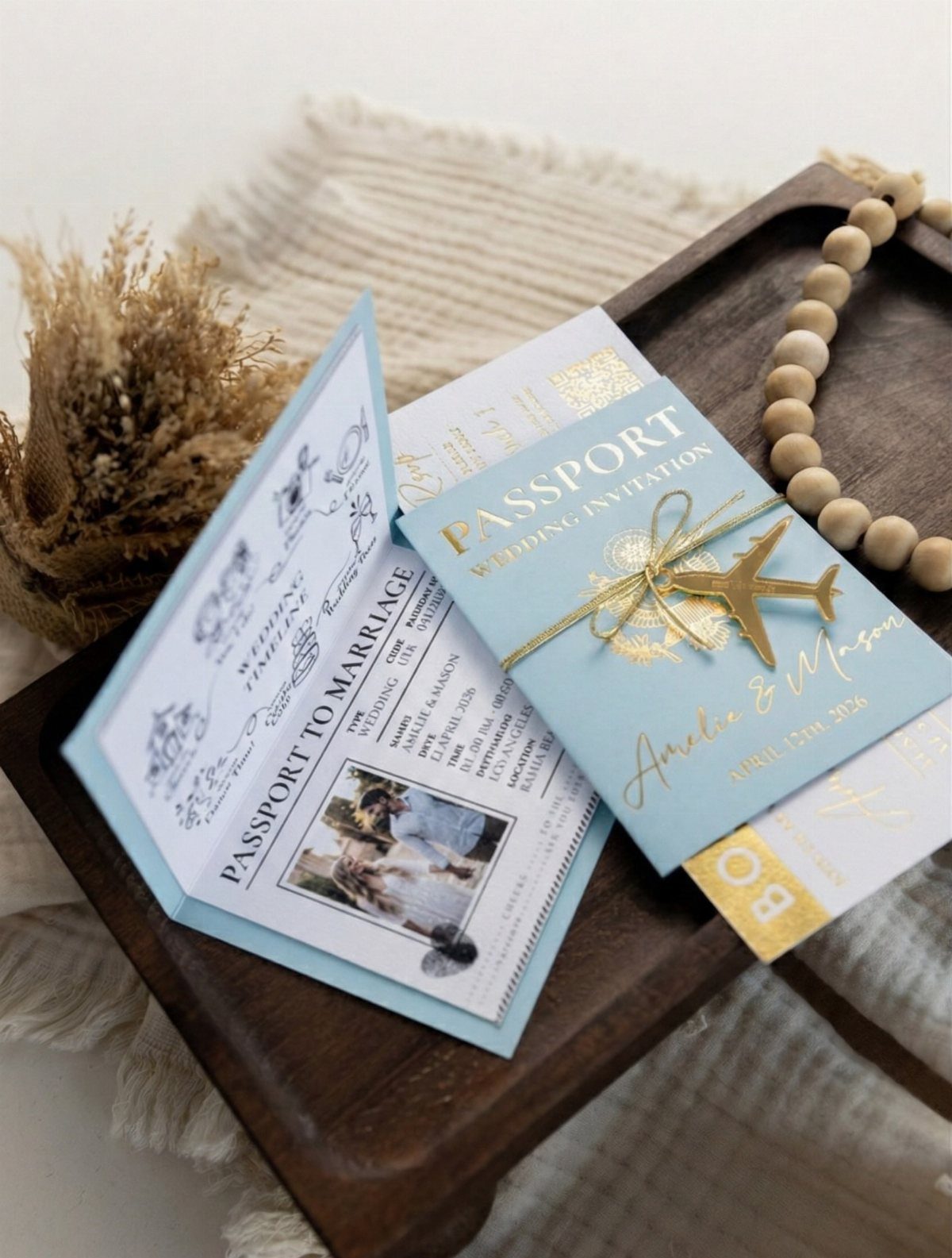
A passport booklet suits a couple whose wedding has a travel angle, or who simply like the idea of guests holding something that feels like a keepsake.
The interior pages carry the wedding timeline and photos, so the booklet does a program’s job while looking like a souvenir.
Use the inside pages for the schedule, and put names and a small icon on the cover, like the gold airplane here. Keep the timeline short enough to read in a minute.
A booklet takes more pages and more assembly than a single sheet, so I would pick it only if the theme is real.
8. Illustrated Folded Programs
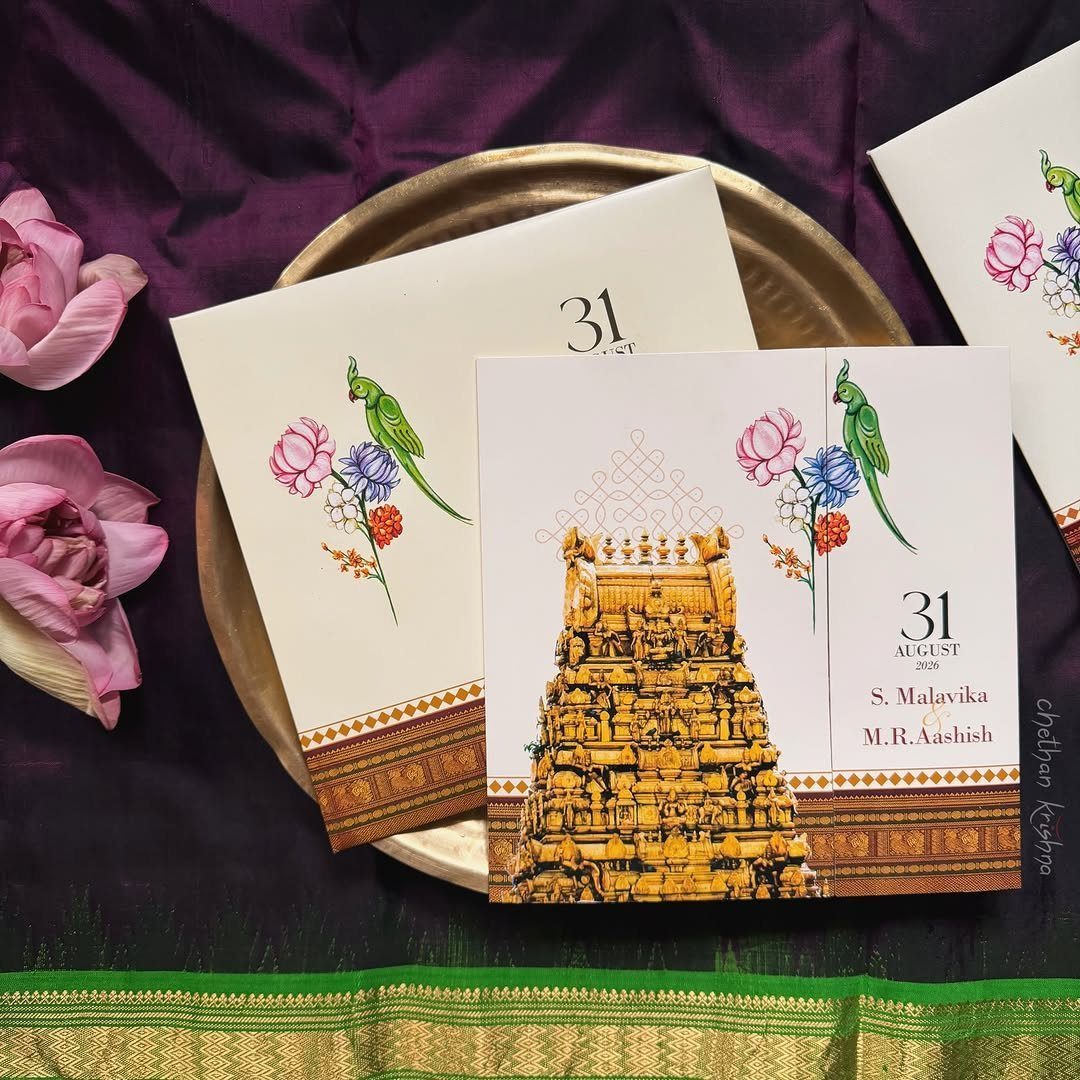
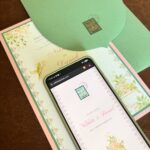
Custom illustration is what makes a folded program feel like it belongs to one wedding. A temple drawn in gold, with floral art around it, tells guests about the ceremony before they read a word.
Put the names on the front, as these do, and keep the ceremony details inside the fold, where there is room for the full order. A fold gives you 4 panels without adding a second sheet.
I would spend the budget on the artwork and keep the paper plain white, so the illustration carries the design.
9. Minimalist Cardstock Program Cards
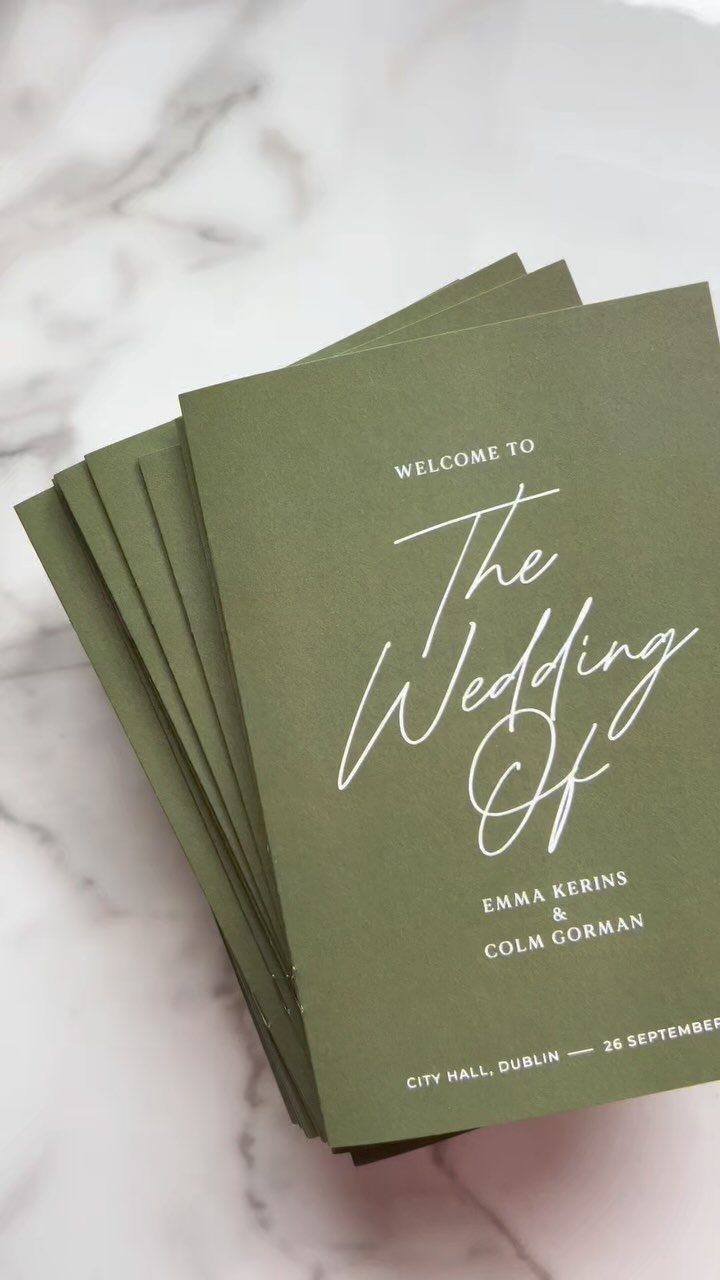
Olive green cardstock with white lettering is a strong choice when you want a program that looks finished without any decoration. Names, venue and date are all it needs, set in a clean line of text.
Pick a heavy stock so the stack sits neatly and the card feels solid in the hand. White ink on a dark color reads well, but keep the wording short and the type large enough to read at a glance.
This is also an easy design to print in bulk, since there is no artwork to proof.
10. Newspaper Style Wedding Program
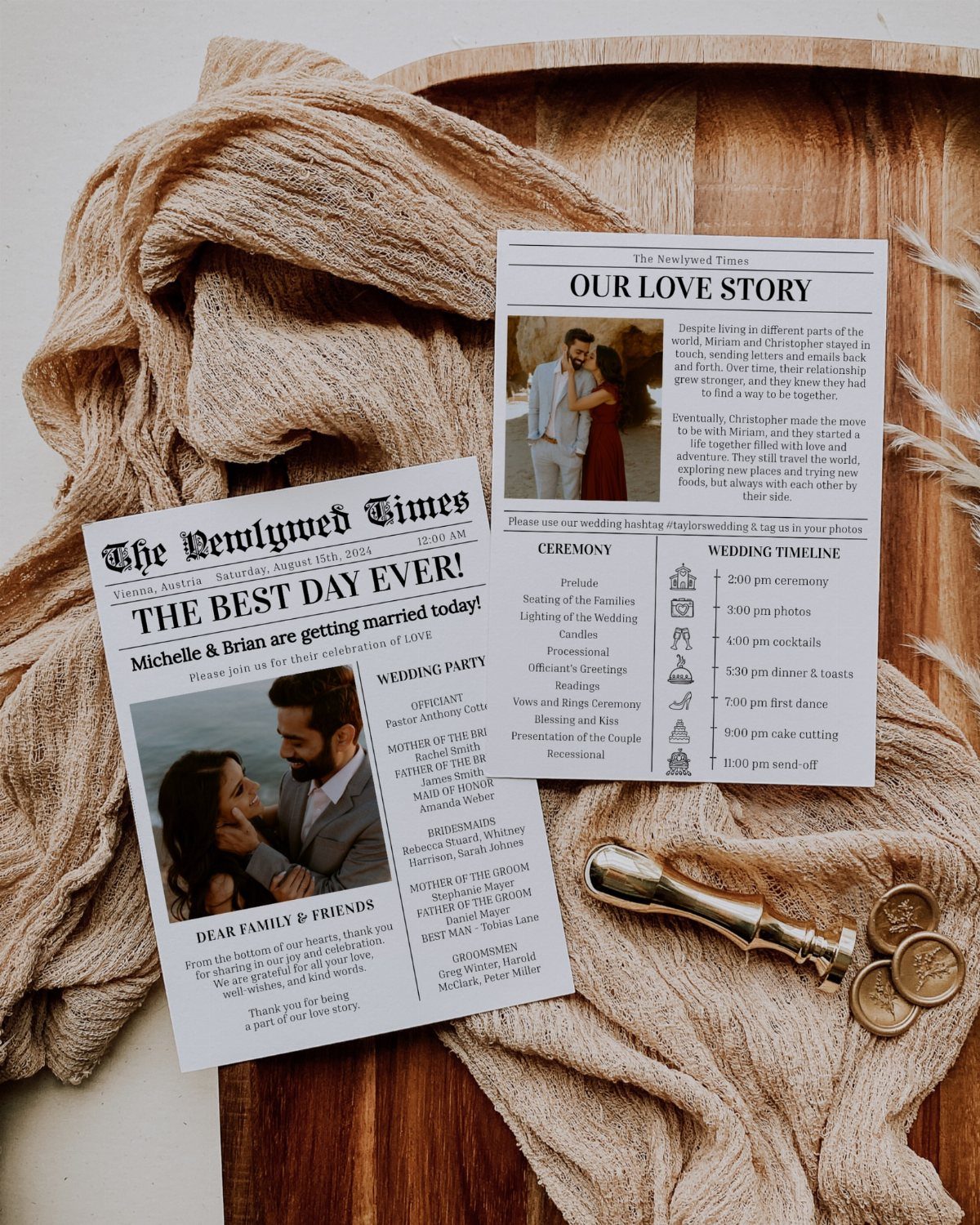
A newspaper program lets you write the headlines yourself, and that is the fun of it.
A masthead like "The Newlywed Times" sets the tone, and columns can hold the timeline, the wedding party names and a few photos of the two of you.
Keep the humor in the headlines and the practical details plain, so guests can still find the order of events quickly. Columns hold a lot of text, so resist filling every inch.
I like it best for couples with a playful streak and a good stash of photos.
11. Deckled Edge Ribbon Tied Program
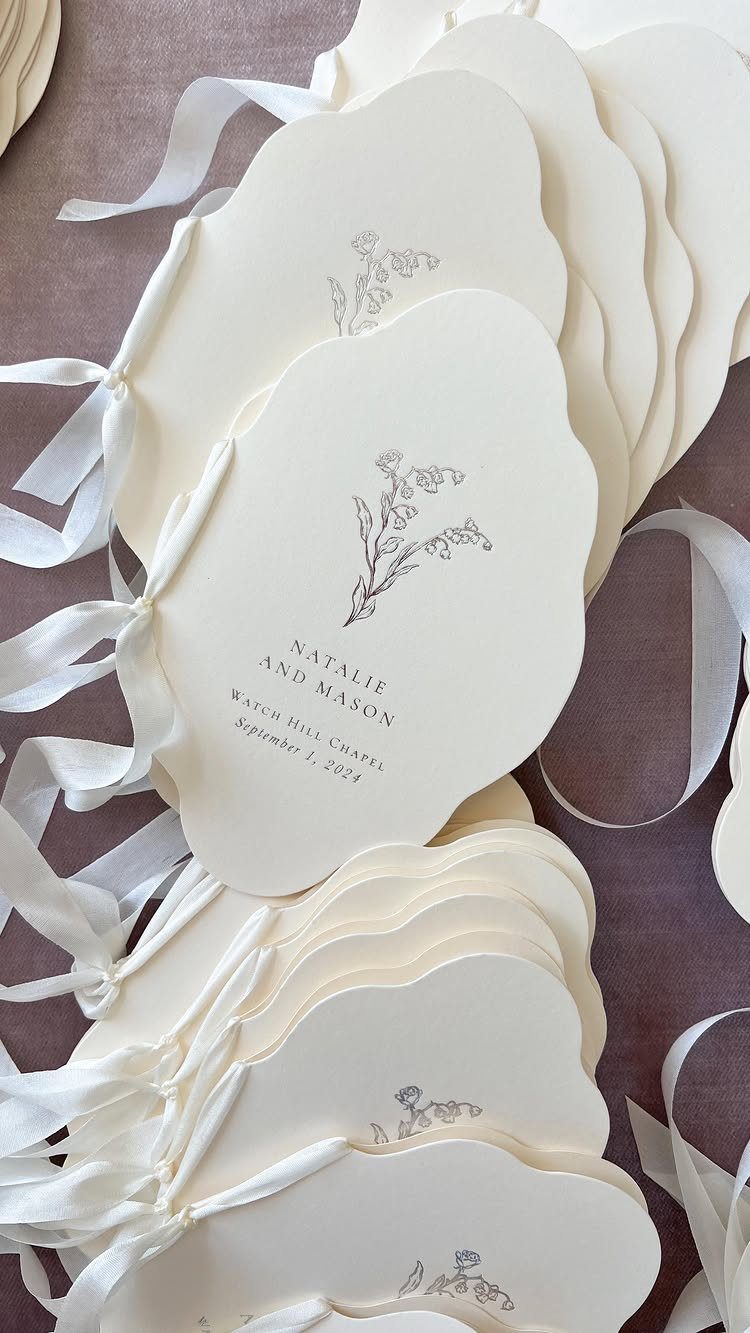
Torn, deckled edges give a cream program the softness of handmade paper, and a white satin ribbon finishes the stack without any extra printing. A small floral sketch is enough decoration beside the names, venue and date.
Tie each ribbon in a simple bow, or loop it through a fold if the program has one.
Tying a whole stack by hand takes time, so set aside an evening, and recruit a friend if the guest list is long.
Cream with white ribbon is quiet, which is exactly why it works.
12. Dark Floral Wedding Program
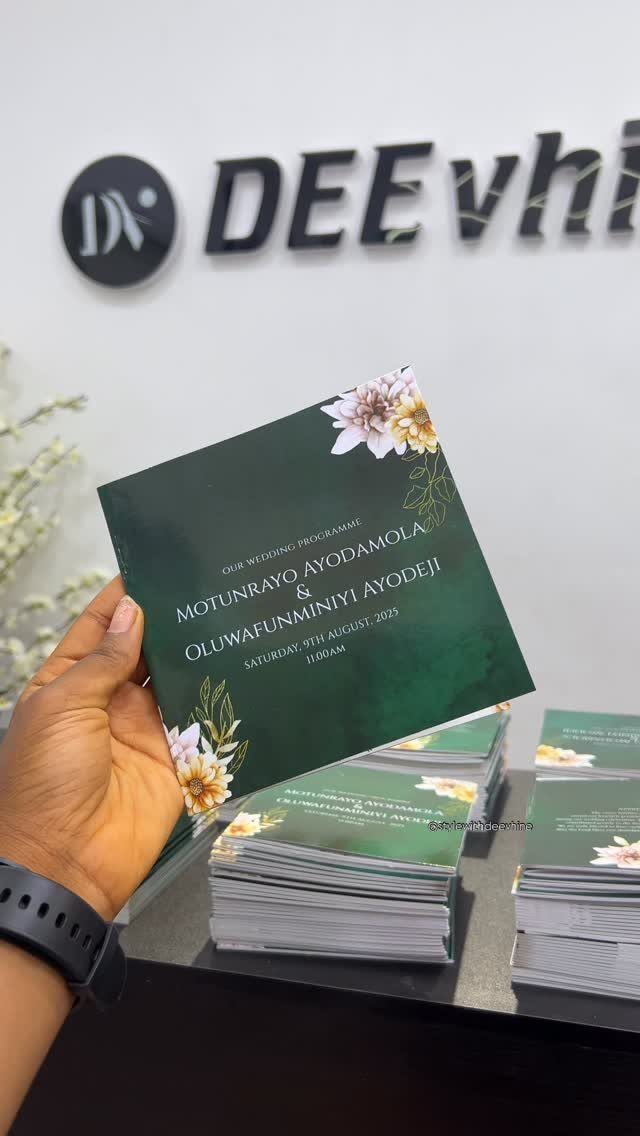
Dark green paper makes yellow and white botanical drawings glow, which is why I would pick it over a pale program for an evening or late-summer wedding.
The cover carries who is marrying and when, and the flowers do the rest.
Choose illustrations in just two or three colors so the cover stays calm against the green. Check that the lighter ink prints clearly on the dark stock, and do it with a test sheet before committing to the full run.
A proof is worth requesting, since dark paper can shift colors.
Importance of Wedding Programs
A program does a quiet job: it tells guests what is happening and when, so nobody has to whisper to a neighbor.
It also gives you a place to introduce the wedding party and explain any tradition or ritual that some guests may not know.
Draft the program while you plan the ceremony, since the 2 decisions overlap. Song choices, who walks before whom, and how parents are listed all need answers before anything goes to print.
Divorced and remarried parents are the trickiest line to word. Decide how you want them listed, and talk to them first, so the printed version doesn’t surprise anyone.
Design Considerations
Start with legibility, because a program gets read in a pew or a folding chair, often in dim light.
Choose a typeface guests can read at arm’s length, and pair a decorative script for names with a plain serif or sans serif for everything else.
Limit yourself to two typefaces and two or three colors. Strong contrast between ink and paper matters more than any other choice here.
Leave white space around the text. A crowded layout makes the order of events harder to find, and the order is the reason guests pick the program up.
Proofread names, dates and spellings aloud, then have someone who didn’t write it read it too.
Simple wedding program designs feature uncluttered layouts, easy-to-read fonts, and a limited color palette. Thoughtful spacing and minimal decorative details keep the focus on your names, ceremony details, and order of events.
DIY Vs. Professional Printing
DIY wins on personalization and often on cost, especially for a short guest list and a one-page design. You control every word, and you can reprint if you catch an error.
Professional printing wins on consistency, trimming and finish. Cutting, folding and aligning 100 programs by hand takes longer than most people expect.
A middle route works well: design the file yourself with a template, then pay a print shop to print and trim it. Order a single proof first, and check spelling and margins before approving the full run.
Whichever way you go, set the deadline early, since programs are among the last paper pieces to finish.
Frequently Asked Questions
What sections should be included in a wedding program?
Start with the couple’s names, the date, the venue and the order of the ceremony. Guests pick a program up to follow the order of events, so keep that part easiest to find.
How can I personalize my wedding program?
A short thank you in your own voice is the easiest personal touch, and it costs almost nothing.
You can also repeat a loved one’s name in a memorial line, or use custom illustration, like a gold drawing of your ceremony site, so the design belongs to your wedding alone.
Editable templates let you do much of this yourself, and a printed proof catches errors before the full run.
What are some creative wedding program ideas?
Fan programs suit outdoor ceremonies, since guests will be waving something at the heat anyway: print the date and both first names on the front and the ceremony order on the back.
A newspaper-style program lets you write your own headlines and fill columns with the timeline and photos, and a passport booklet works for a travel theme.